
Going viral on Pinterest isn’t some happy accident; it’s a direct result of a smart, user-focused strategy.
You have to create content that’s so genuinely helpful or inspiring that people feel compelled to save it for later.
When you combine that with sharp keyword optimization, you create something that gets found long after you’ve hit publish.
Understanding the Pinterest Virality Engine
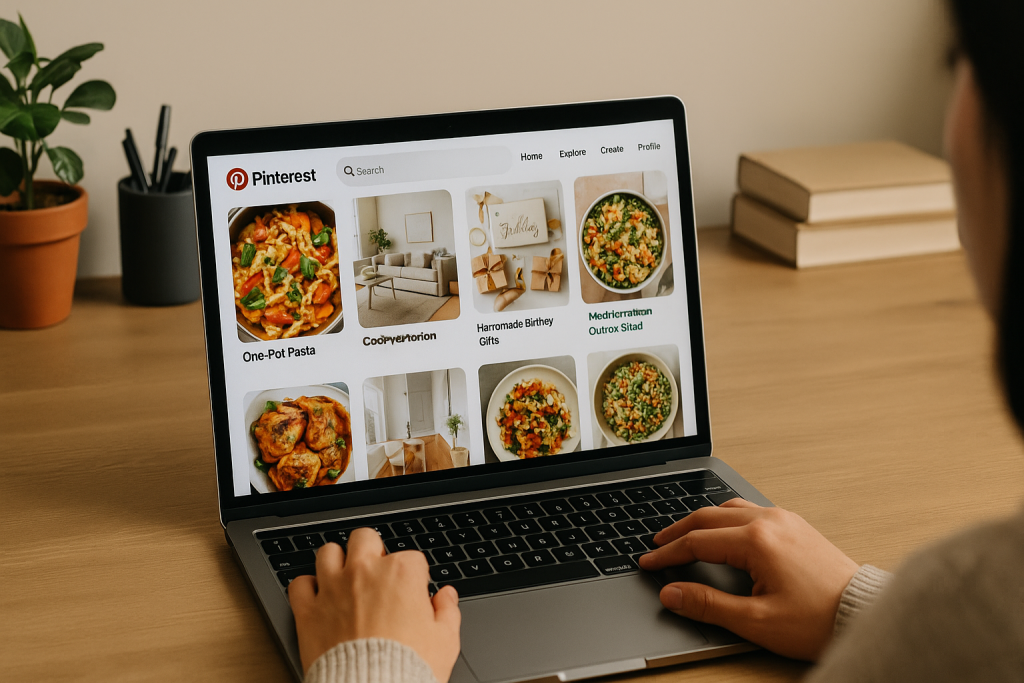
First thing’s first: stop thinking of Pinterest like Instagram or Facebook. It’s not a social network.
Pinterest is a visual discovery engine.
People aren’t there to scroll through their friends’ weekend updates.
They’re actively planning their future, searching for tonight’s dinner recipe, gathering ideas for a home remodel next month, or finding the perfect gift for an upcoming birthday.
This forward-looking mindset is exactly what makes Pinterest a goldmine for creators and brands.
Every Pin is a potential solution or a spark of inspiration for someone’s real-life project.
This creates a powerful dynamic where the most valuable action isn’t a “like” but a “save.”
Why Saves Are the Ultimate Goal
A save (or a re-pin, as it used to be called) is when someone adds your Pin to one of their own boards.
On Pinterest, this is the highest form of praise and the absolute engine of virality.
When a user saves your Pin, they’re sending a powerful signal to the Pinterest algorithm that your content is high-quality and worth keeping.
Pinterest’s algorithm is built to prioritize content with strong signals of engagement. Saves are the clearest metric that an idea is resonating with people.
A Pin with a high save count will be shown across the platform far more often than newer Pins with less engagement.
This gives your content an incredibly long shelf life. A Pin you create today could suddenly gain traction six months from now when seasonal trends bring your keywords into the spotlight.
To see this in action, check out our detailed Pinterest case study where we break down the long-term impact of a solid pinning strategy.
Before we get into the nitty-gritty of Pin design, it’s worth taking a moment to understand the key ingredients that make content shareable.
Here’s a quick rundown of the core elements that give a Pin its viral potential.
Table: Core Elements for Viral Pinterest Content
| Element | Why It Matters for Virality | Quick Tip |
|---|---|---|
| High-Quality Visuals | Pinterest is visual first. Striking images or videos grab attention instantly. | Use bright, high-resolution images. Vertical formats (2:3 aspect ratio) perform best. |
| Clear Value Proposition | Users need to know what they’ll get. Is it a recipe, a tutorial, a guide? | Use bold text overlays to clearly state the Pin’s purpose (e.g., “10-Minute Vegan Dinner”). |
| Actionable Keywords | Keywords are how people find you. They connect your solution to their problem. | Think like a user. Use specific, long-tail keywords in your Pin title and description. |
| Strong Call to Action | Tell people what to do next, guiding them from inspiration to action. | A simple “Click to read more” or “Save this idea for later” can make a big difference. |
Getting these four elements right is the foundation for everything else. It’s about creating something that’s not just pretty to look at, but genuinely useful.
The Modern Pinner and Commercial Intent
The people on Pinterest aren’t just browsing; they’re ready to act.
As of Q1 2025, the platform boasts around 570 million monthly active users, and an incredible 85% of weekly users have made a purchase based on Pins from brands.
With Gen Z now making up a huge chunk of the user base, creating content that resonates with this younger, purchase-ready audience is more important than ever.
You can learn more about these trends and user habits on Thunderbit.
Before you dive into the platform specifics, it helps to have a general grasp of how to create viral content.
The core principles—providing value, sparking emotion, and making things shareable—all apply here.
Your goal is to design Pins that are so helpful or inspiring that saving them feels like the most natural next step for anyone who sees them.
Designing Pins That Are Impossible to Ignore

On a platform that’s all about visuals, your Pin’s design isn’t just a minor detail—it’s everything.
A truly great design is what stops someone mid-scroll and earns you that coveted click or save.
If you want to go viral on Pinterest, you have to start by creating visuals that are just too good to ignore, blending smart design choices with a bit of psychology.
This goes way beyond just slapping a pretty picture on the screen. Think of each Pin as a mini-masterpiece designed to communicate value in a fraction of a second.
The best Pins are a perfect mix of high-quality images, text that makes you curious, and just enough branding to be memorable.
The Foundation of a Viral Pin Design
First things first: you need to own as much screen real estate as possible. I always tell people to stick to a 2:3 aspect ratio (think 1000 x 1500 pixels).
This vertical format is what Pinterest was built for, and it makes your content look amazing on mobile, which is where almost everyone is scrolling.
Color is your secret weapon for grabbing attention right away. Warm colors—reds, oranges, and pinks—naturally pop in the feed and can create a sense of excitement. But don’t just splash bright colors everywhere.
Think about the feeling you want to evoke. A guide to a calming yoga routine, for instance, would probably do much better with serene blues and greens.
Your design has one job: to be so valuable that someone thinks, “I need to save this for later.”
Whether they’re planning to paint furniture, book a trip, or try a new recipe, the design itself has to scream “this is worth keeping.”
Your choice of imagery is just as important. Always use high-resolution photos that are bright, clear, and genuinely compelling.
Steer clear of dark, blurry, or cheesy stock photos that feel generic. You’re aiming for a vibe that feels both authentic and aspirational.
If you’re a food blogger, don’t just show a pile of ingredients; show the incredible, mouth-watering final dish that makes people want to run to their kitchen.
Text Overlays That Spark Curiosity
A beautiful image might earn a glance, but it’s the text overlay that gets the save.
Your text is the hook—it tells people exactly what problem your Pin solves or what they’ll gain from it.
I’ve seen these formulas work time and time again:
- Numbered Lists: Titles like “7 Ways to Organize a Tiny Kitchen” or “5 Mistakes to Avoid When Starting a Blog” immediately tell users the content is scannable and packed with tips.
- How-To Guides: You can’t go wrong with simple, direct titles. “How to Perfectly Style a Bookshelf” or “How to Master Sourdough Bread” are timeless and highly searchable.
- Intriguing Hooks: Use phrases that create a little mystery. “The Secret to Fluffy Pancakes” or “The One Thing You’re Forgetting in Your Skincare Routine” makes people want to click to find out more.
Pick bold, easy-to-read fonts that stand out against your background image. Seriously, make the text big enough to be read on a tiny phone screen.
The goal isn’t clickbait; it’s to clearly and enticingly state the value inside. For a deeper look at what works, check out our guide on how to create Pins for Pinterest.
The Rise of Engaging Video Pins
While static Pins are still the bread and butter of Pinterest, Video Pins have become an absolute powerhouse for engagement.
I’ve noticed the algorithm often gives video a little extra love, making it a must-have for any serious Pinterest strategy today.
Don’t worry, your videos don’t need to be Hollywood-level productions. Short, punchy videos that show a process or offer a quick tip are what really shine on the platform.
Here are a few ideas to get you started:
- Quick Tutorials: Think of a top-down view of a craft project, a recipe coming together, or a satisfying cleaning hack.
- Before-and-Afters: These are gold. Showcase a room makeover, a style transformation, or a finished DIY project.
- Quick Tips: A short, 15-second video sharing a single, game-changing piece of advice.
The first 3-5 seconds of your video are make-or-break. You have to hook them instantly.
Start with the most visually interesting part, like the final product or the most satisfying step in the process.
And remember to add a text overlay to explain what’s happening, since most people browse with the sound off.
Keep your videos short and sweet—usually between 15 and 60 seconds—to keep viewers watching until the end.
Mastering Pinterest SEO for Lasting Discoverability
Going viral on Pinterest is almost never an accident. It’s the direct result of smart, intentional SEO.
While a beautiful Pin design will absolutely catch someone’s eye, it’s your search optimization strategy that gets your content discovered for months, or even years, down the line.
You have to stop thinking of Pinterest as just another social media feed. It’s a massive visual search engine, and its entire purpose is to connect your content with people actively looking for it.
This is what makes Pinterest so powerful. On other platforms, your content might have a lifespan of a few hours.
A properly optimized Pin, however, can keep driving traffic long after you’ve hit publish.
It’s not just being shown to your followers; it’s being served up as the perfect answer to someone’s search.
Uncovering What Your Audience Wants
Your entire SEO strategy starts with one thing: understanding the exact words and phrases your audience is typing into that search bar.
And the best part? You don’t need any fancy, expensive tools. Pinterest gives you everything you need right on the platform.
Just head to the Pinterest search bar and type in a broad term related to your niche.
Let’s say you’re a food blogger—you might start with “healthy dinner.”
Pay close attention to the colorful bubbles that pop up right below. You’ll see things like “easy,” “quick,” “recipes,” or “for family.”
These aren’t random suggestions; they are the most popular related searches. Pinterest is literally telling you what its users are looking for. This is gold.
This simple trick helps you uncover fantastic long-tail keywords, which are often less competitive and far more specific.
Think about it: a user searching for “healthy dinner recipes for family” has a much stronger intent than someone just vaguely searching for “dinner.”
Building Your Keyword Ecosystem
Once you’ve got a solid list of keywords, it’s time to put them to work. The key is to place them strategically where the Pinterest algorithm will find them. ]
This isn’t about mindlessly stuffing keywords everywhere. It’s about creating a cohesive “keyword ecosystem” that clearly signals what your content is all about.
Here’s your optimization checklist:
- Your Profile Bio: In just a sentence, describe what you do and who you serve. Naturally weave in 1-2 of your most important keywords.
- Board Titles: Ditch the cute, clever names. Your board titles need to be clear and keyword-focused. “Yummy Things” is confusing. “Healthy Vegan Dinner Recipes” is crystal clear.
- Board Descriptions: You have more room here. Write a couple of sentences describing what’s on the board, and make sure to include several related keywords.
- Pin Titles and Descriptions: This is where the magic really happens. Your Pin title should always feature your main keyword. Then, write a conversational paragraph for the description that includes a few other related keywords. If you really want to level up your writing, check out these advanced SEO copywriting tips.
When you consistently use related keywords across your profile, boards, and Pins, you build a powerful web of relevance.
You’re telling Pinterest, “Hey, I’m an expert on this topic.” The algorithm takes notice and becomes much more likely to show your content for those searches.
For a deeper dive, you can also explore our full guide on https://www.postpaddle.com/blog/pinterest-seo-tips.
The goal of Pinterest SEO isn’t just to rank for a single keyword. It’s to create a rich, interconnected content library that establishes your authority and ensures a steady stream of traffic over the long term.
When you take this approach, your Pinterest account transforms from a random collection of images into a genuinely valuable, searchable resource.
A user might find one of your Pins through search, but then they’ll discover your boards and all your other related content. That’s the flywheel effect that creates sustainable, long-term success on the platform.
Building Viral Momentum with a Smart Pinning Strategy
You can create the most stunning Pin with flawless SEO, but that’s only half the battle.
If you really want to go viral on Pinterest, your content needs a smart distribution strategy to get it in front of the right people at the right time.
Let’s get one thing straight: the old advice of pinning 30 times a day is long dead. Today, it’s all about quality and consistency.
Going viral isn’t about brute force; it’s about a purposeful workflow. You have to figure out when your audience is scrolling and then deliver fresh, valuable content right when they’re looking for it.
This is how you build the kind of steady, reliable presence that the Pinterest algorithm loves to reward.
This simple workflow breaks down how to combine keyword research, optimization, and timing for maximum impact.
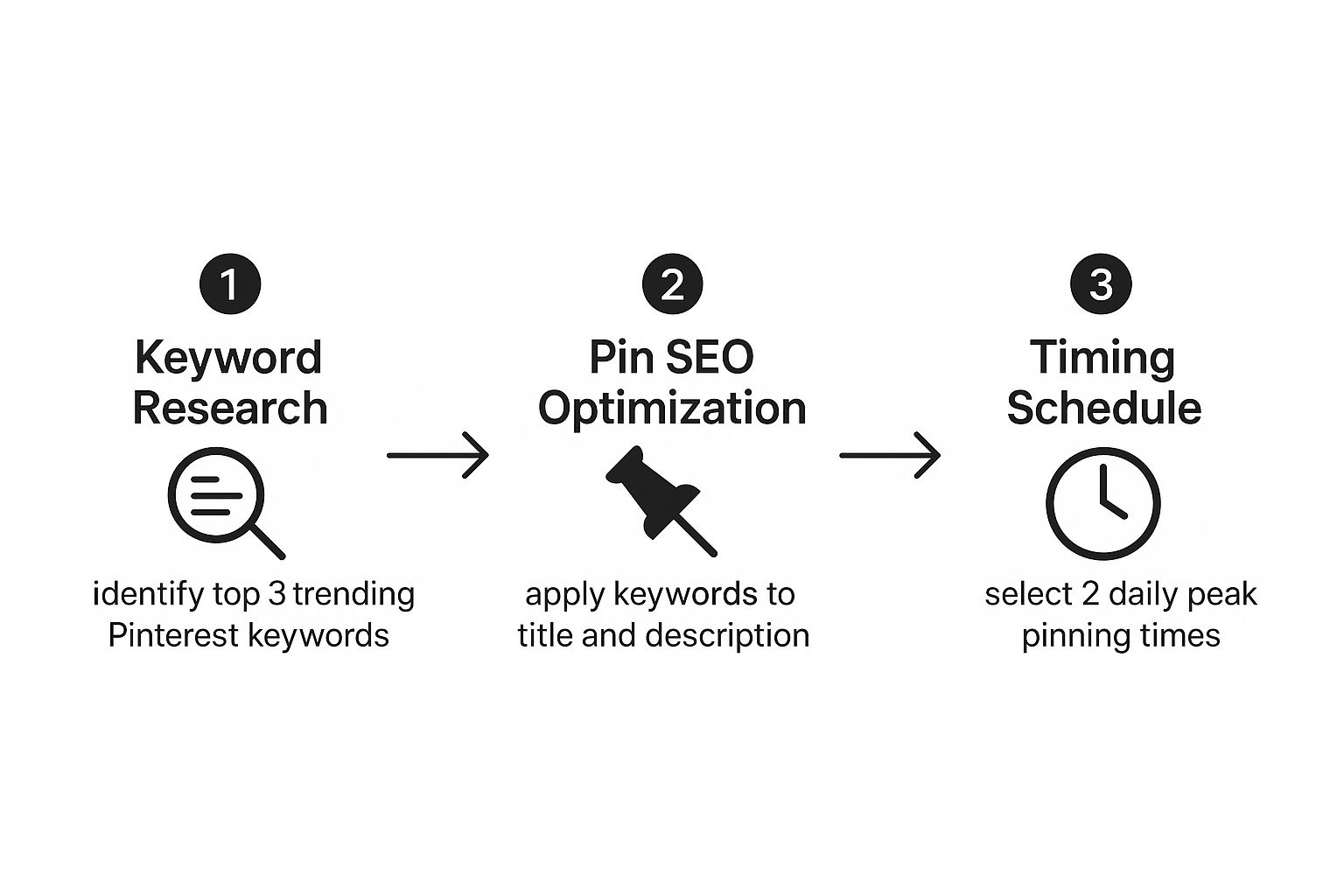
As you can see, a successful pinning strategy isn’t random. It’s a deliberate sequence of research, optimization, and timing designed to get your Pins seen.
Quality Over Quantity Is the New Rule
The “more is better” approach to pinning is officially over. In fact, spamming your boards with dozens of Pins a day can actually tank your reach now.
Pinterest gives priority to accounts that consistently share high-quality, fresh content.
So, what’s a “fresh Pin”? It’s a new image or video that Pinterest has never seen before, even if it links back to a blog post you’ve shared in the past.
The algorithm heavily favors these new visuals. Repinning—whether it’s your own content or someone else’s—just doesn’t have the same punch anymore.
The Pins people genuinely want to try are the ones that get the most love.
Pinterest prioritizes content with high signals of meaningful engagement, which means a Pin with a high save rate will get shown across the platform’s main pages, even over newer, less engaging content.
This means you should shift your focus. Instead of repinning old stuff, concentrate on creating a handful of excellent, well-optimized fresh Pins each day.
Aim for a manageable number, like 3-5 new Pins daily, to stay consistent without letting the quality slip.
Find Your Audience’s Prime Time
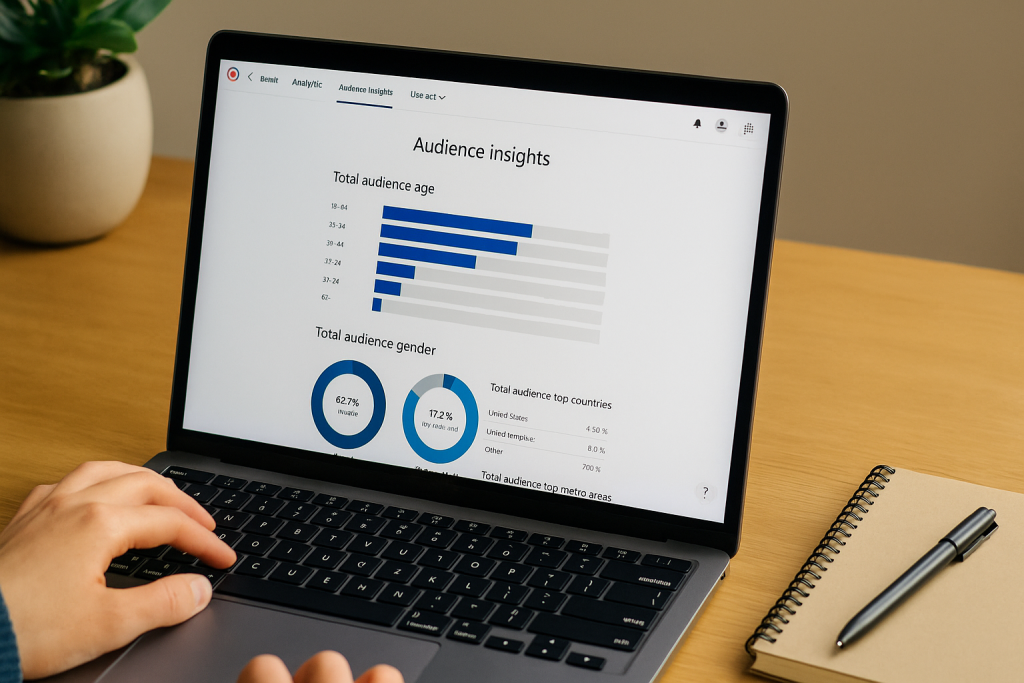
Pinning when your audience is most active is a simple but powerful way to give your new content an initial boost. The best place to find this data is right inside your own Pinterest Analytics.
Head over to the “Audience Insights” tab and take a look at the data for your “Total audience.” You’ll find all sorts of interesting breakdowns by age, gender, and location.
While Pinterest doesn’t hand you a “best times to post” chart, you can figure it out by looking at your top-performing Pins.
Check the analytics for individual Pins that really took off and make a note of when they were first published.
Start looking for patterns. Do your Pins about weeknight dinners get the most saves around 4 PM on weekdays? Does your travel content seem to spike on Friday evenings?
Use this intel to build a pinning schedule that aligns with when your audience is naturally browsing.
Tools That Help You Stay Consistent
Let’s be real—manually pinning during peak hours isn’t always practical.
This is where scheduling tools become a lifesaver, helping you maintain a steady stream of content without being chained to your desk.
Platforms like Post Paddle are great for this. You can batch-create and schedule your Pins weeks in advance, ensuring you never miss an optimal pinning window.
It completely frees you up to focus on what matters: creating amazing content.
Here’s a simple workflow that works wonders:
- Batch Your Content: Set aside a few hours once a week to design all your Pins for the week ahead.
- Optimize as You Go: As you create each Pin, write your keyword-rich title and description right then and there.
- Schedule Strategically: Load your finished Pins into a scheduler and spread them out across the peak times you identified.
This system turns pinning from a frantic daily chore into a streamlined, strategic process.
It’s the secret to maintaining the consistency that Pinterest’s algorithm craves and a fundamental step in learning how to go viral on Pinterest.
Using Analytics to Figure Out What Works (and Do It Again)
A single viral Pin can feel like a lucky shot in the dark. But building a strategy that produces viral Pins over and over?
That’s a skill, and it’s built on understanding your data. If you really want to learn how to go viral on Pinterest, you have to stop guessing and start analyzing your own content.
This means looking past the flashy “vanity metrics” and digging into the numbers that actually signal what your audience loves.

Think of Pinterest Analytics as your personal roadmap.
Instead of just throwing content out there and hoping something sticks, you can use real data to see what’s already working.
It’s all about reverse-engineering your biggest hits to create a repeatable formula for success.
Finding the Numbers That Actually Matter
When you first open your analytics dashboard, it’s easy to get mesmerized by the huge impression numbers.
But impressions only tell you how many eyeballs scrolled past your Pin, not if anyone actually cared.
To spot true viral potential, you need to zero in on three core metrics:
- Saves: This is the holy grail on Pinterest. A save tells the algorithm that someone found your Pin so valuable they want to keep it forever. Pins with high save rates get a massive boost.
- Outbound Clicks: This one is simple: how many people clicked through to your website, blog, or product page? This is the clearest sign that your content successfully drove traffic and action.
- Engagement Rate: This metric looks at the total number of engagements (saves, clicks, comments) and compares it to how many times your Pin was seen. A high rate means your Pin is genuinely compelling.
Once you shift your focus to these numbers, you start to see a much clearer picture of what truly connects with your audience.
A Pin with 1,000 saves from 10,000 impressions is infinitely more valuable than a Pin with 0 saves from 100,000 impressions. The first is building a loyal audience; the second is just digital noise.
Playing Detective with Your Top Pins
Alright, now that you know what to look for, it’s time to put on your detective hat. Head over to your analytics and filter your Pins by Saves or Outbound Clicks for the last 90 days.
This will instantly show you a list of your greatest hits.
Don’t just glance at it—analyze it. Look for the common threads that tie your best content together. Ask yourself:
- What’s the topic? Are your top Pins all clustered around a specific niche, like “budget-friendly meal prep” or “small bathroom organization”?
- What’s the visual style? Do they tend to be bright, airy photos? Bold graphics with text overlays? Or maybe quick video tutorials?
- What kind of headlines work? Do you see a pattern with numbered lists (“7 Genius Ways to…”) or how-to guides (“How to Finally…”)?
- What was the call-to-action? Did you specifically ask people to “Save for later” or “Click to learn more”?
The goal here is to spot a pattern. If your top five Pins are all infographics about vegan desserts using a warm color palette, that’s not a fluke.
It’s a powerful, data-driven insight you can immediately use to inform your next piece of content.
This process becomes even more powerful when you layer in broader platform data. Pinterest provides advertisers and creators with rich demographic information.
For example, we know a key audience segment is female users aged 18-24, who make up 20% of the platform’s global ad audience.
We also know that in 2025, popular interests include “Art,” “Entertainment,” and “Home decor.” You can find more of these valuable Pinterest statistics on SocialPilot.co.
To help you get started, here’s a look at the key metrics you should be tracking and what they really mean for your content’s viral potential.
Key Pinterest Metrics for Viral Analysis
| Metric | What It Measures | How to Interpret for Virality |
|---|---|---|
| Saves (Repins) | The number of times users saved your Pin to one of their boards. | This is your #1 indicator of quality. High saves signal evergreen value and tell the algorithm to show your Pin to more people. |
| Outbound Clicks | The number of users who clicked the link in your Pin to visit your website. | A direct measure of your Pin’s ability to drive traffic. High clicks mean your call-to-action and visuals are working perfectly together. |
| Pin Clicks | The number of times users clicked to see a close-up view of your Pin. | Shows initial interest. If Pin Clicks are high but Outbound Clicks are low, you might need to improve your Pin description or landing page. |
| Engagement Rate | (Total Engagements ÷ Total Impressions) x 100 | This gives you the full picture. A high engagement rate proves your Pin isn’t just being seen—it’s actively resonating with the audience. |
| Impressions | The total number of times your Pin was shown in feeds, search results, or categories. | Provides context for your other metrics. A Pin with low impressions but high saves is a hidden gem that needs better keyword optimization. |
By tracking these specific numbers, you’re not just looking at data; you’re uncovering the story of what your audience truly wants from you.
When you combine these broad demographic insights with your own performance data, you stop hoping for virality and start engineering it.
You create a powerful feedback loop where every Pin you publish teaches you something new, helping you refine your strategy and consistently create content that gets saved, shared, and clicked.
Make Every Pin Ready to Go Viral on Pinterest
If you want your Pins to spread far beyond your own boards, start with a simple checklist you can run through before you ever hit publish.
A clear list keeps you focused on the basics that actually drive saves and clicks: strong visuals, clear value, and the right keywords in the right places.
Instead of guessing what might work, you can move through each step calmly, does this Pin solve a real problem, is the headline easy to read on mobile, are the keywords aligned with what people actually search for, and is the call to action obvious?
Over time, this turns virality from a lucky break into a repeatable habit you follow for every blog post, product, or idea you share on Pinterest.
My free Pinterest Pin Checklist walks you through each stage: choosing topics with viral potential, planning your keywords, designing scroll-stopping visuals, and optimizing titles and descriptions so your Pins keep working for you long after you publish them.
It’s designed to fit right into the workflow you’re already building with Post Paddle.
Ready to turn your next Pin into one people actually save and share?
Have Questions About Going Viral on Pinterest? Let’s Clear Things Up.
Even when you’ve got a great strategy mapped out, you’re bound to run into some specific questions along the way.
Getting a handle on the finer points of how Pinterest really works is what separates the pros from the people who just pin and pray.
Let’s dive into the most common questions I hear from creators who are serious about getting their content seen.
Think of this as your expert FAQ for navigating the path to viral success.
1. How Long Does It Actually Take for a Pin to Go Viral?
This is the big one, and the answer usually surprises people. If you’re coming from Instagram or TikTok, you’re used to content having a lifespan of about 24-48 hours.
You have to rewire your brain for Pinterest. It’s not a social media feed; it’s a visual search engine, and that changes everything.
Honestly, there’s no magic timeline. I’ve had Pins do absolutely nothing for weeks, only to suddenly catch fire months later when a seasonal trend kicks in.
A Pin for “Christmas cookie recipes” published in September is just sitting there waiting. Come November, when people start their holiday baking searches, it can explode seemingly overnight.
The key here is patience. Some of your Pins will be slow burns, steadily collecting saves and clicks for years.
Others might get a massive, sudden boost because the algorithm finally connects them to a hot new search trend.
Your job is to focus on creating genuinely helpful, evergreen content with solid SEO and keep an eye on your analytics. Don’t expect instant gratification.
A Pin isn’t a failure if it doesn’t take off right away. The algorithm cares about relevance, not recency. It will always show a Pinner a high-quality, saved-a-thousand-times Pin from two years ago over a brand-new Pin that isn’t getting any love.
2. Are Hashtags Still a Thing for Going Viral?
The short answer? Not really. The role of hashtags on Pinterest has changed a ton. A few years ago, they were a big deal for discovery. Now, their importance has faded significantly.
Pinterest’s algorithm has gotten incredibly smart. It can understand the entire context of your Pin just from the natural, descriptive sentences you write.
Your time and energy are far better spent on doing great keyword research and weaving those terms into a compelling Pin description.
Think of it as a tiny blog post that tells both a human and the algorithm exactly what they’re looking at. That’s your real ticket to getting discovered.
If you absolutely must use hashtags, think of them as a little extra organizational tag, not a primary driver of reach.
- Keep it minimal: Stick to just 2-4 super-relevant hashtags at the very end of your description.
- Get specific: Instead of
#decor, use something much more niche, like#farmhousedecoror#boholivingroom. - Don’t depend on them: A Pin with a fantastic, keyword-rich description and zero hashtags will trounce a Pin with a lazy description and ten hashtags every single time.
3. For Going Viral, Are Idea Pins or Video Pins Better?
This is a great question because both formats are getting a lot of love from the algorithm right now. Neither is “better” overall—they just have different jobs. The right choice completely depends on your goal for that specific piece of content.
Video Pins are your go-to for driving traffic. They’re single videos, and most importantly, you can attach an outbound link to them.
If you want to get people off of Pinterest and onto your blog post, sales page, or product listing, Video Pins are the most powerful tool in your arsenal.
Idea Pins are designed to tell a full story on Pinterest. They’re multi-page carousels built for keeping users engaged on the platform.
This makes them absolute gold for building brand awareness, sharing step-by-step tutorials, and racking up saves and follows. They establish your authority and make people want to see more from you.
A truly effective viral strategy uses both. I recommend creating Video Pins to feature a specific product or to drive traffic to a cornerstone blog post.
Then, use the Idea Pin format to break down a complex topic or share a detailed tutorial that gets people hitting that “Save” button and following your account.
4. Can I Go Viral on Pinterest If I Don’t Have a Website?
Technically, yes. You can absolutely create an Idea Pin that gets saved thousands of times and helps you grow a massive Pinterest following, all without a website. You can build a whole community right there on the platform.
But—and this is a big but—for most creators and businesses, the whole point of “going viral” is to turn that attention into something more tangible.
We’re talking email subscribers, customers, and clients. Without a website, you lose the most important part of the funnel.
You might get a ton of views and saves, but you have no reliable way to capture that audience and build a direct relationship with them.
So while you can certainly build a presence, pairing your Pinterest strategy with a website or even a simple landing page is what transforms viral attention from a vanity metric into a real, sustainable asset for your business.