To really start gaining followers on Pinterest, you have to get the basics right. Think of it as building a strong foundation.
This means getting your profile optimized, planning your content strategically, and staying active consistently.
It all starts with creating a business account, weaving your keywords into everything, and then pinning high-quality, valuable content that your ideal audience will actually want to save.
Building a Follow-Worthy Pinterest Foundation
Before you even think about your first Pin, your Pinterest profile needs to be ready for growth.
It’s your brand’s digital storefront, and it has to be inviting, clear, and easy for the right people to discover. Just having a profile isn’t enough. It’s the strategic optimization that turns a simple account into a powerful engine for attracting followers.
A huge part of this is knowing exactly who you’re talking to. If you’re not sure, it’s worth taking the time to figure out how to find your target audience before you go any further. Once you know them, you can craft a profile that speaks their language and uses visuals that pull them in.
Start with a Business Account
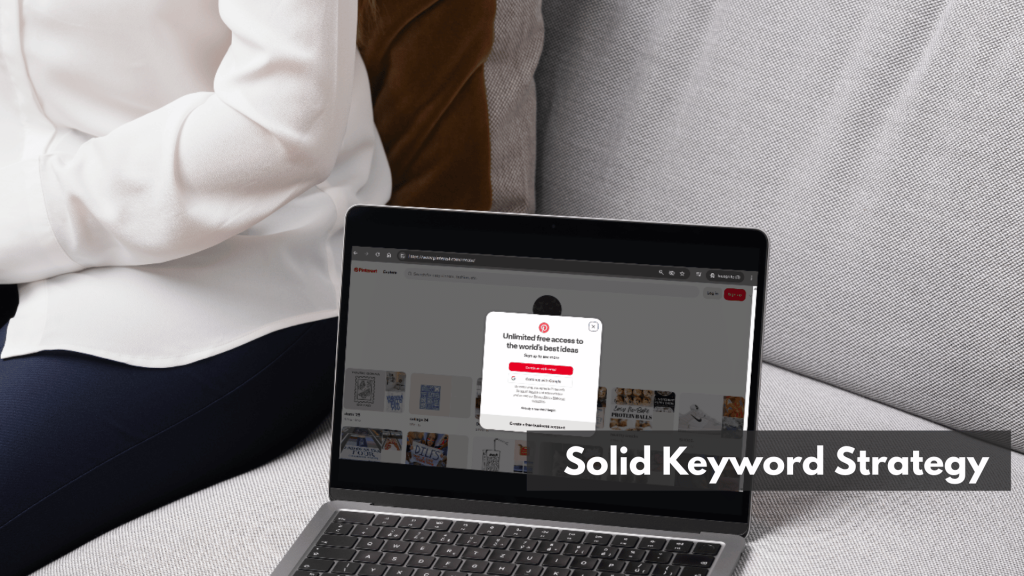
First thing’s first: you absolutely need a Pinterest Business account.
This isn’t optional if you’re serious about growth. Switching from a personal profile to a business one unlocks a suite of powerful tools that give you a massive advantage.
Here’s a peek at what you get:
- Pinterest Analytics: This is your command center for data. You can see which Pins and boards are actually driving clicks, saves, and new followers.
- Rich Pins: These automatically pull extra info from your website—like ingredients for a recipe or the price of a product—making your Pins way more useful.
- Advertising Access: You gain the ability to promote your top-performing Pins to reach a much larger, more targeted group of people.
- Website Verification: Claiming your website gives you a little checkmark on your profile, which is a small but powerful signal of credibility.
Making this switch tells Pinterest you’re a serious creator, and that can have a real impact on how the algorithm distributes your content.
Optimize Your Profile for Discovery
With your business account set up, it’s time to fine-tune every part of it for search.
The goal is simple: make it incredibly easy for both users and the Pinterest algorithm to understand what you’re all about.
Your username should be your brand name or something very close to it. For your profile photo, use a clear, professional headshot or a crisp logo. This is your first impression, so make it one that builds trust.
Pro-Tip: Your bio is prime keyword real estate. Don’t just list what you do. Instead, write a sentence or two explaining who you help and how, weaving in your most important keywords naturally. For example, a food blogger could say: “Simple, healthy recipes for busy families. Find easy weeknight dinners, meal prep ideas, and gluten-free desserts.”
The potential on Pinterest is staggering. The platform has hit a record 570 million monthly active users, and these aren’t just passive browsers. This highly engaged audience saves 1.5 billion Pins every single week.
What’s more, 85% of weekly users have actually bought something based on Pins they saw from brands. This is a clear line connecting great content directly to sales.
With most people using Pinterest on their phones and video Pins getting nearly one billion views a day, making sure your content is mobile-friendly and includes video is crucial for turning viewers into loyal followers.
How Pinterest SEO Attracts Your Ideal Followers
If you really want to understand how to get in front of the right people on Pinterest, take a look at the image above from Pinterest Trends. Notice how searches for “fall decor” spike at a very specific time of year.
This isn’t random; it’s predictable user behavior. When you learn to anticipate and optimize for these patterns, you start attracting followers who are already searching for the exact content you create.
The single biggest mental shift you can make to gain followers on Pinterest is to stop treating it like another social media app. It’s not. Pinterest is a massive visual search engine.
Millions of people go there every single day to find ideas, plan projects, and get inspired—and they start by typing words into the search bar. Your ticket to getting in front of them is mastering Pinterest SEO.
Unlike a tweet or an Instagram story that vanishes in a day, a well-optimized Pin can work for you for months, even years.
Think of it as an evergreen asset that keeps bringing in traffic, saves, and new followers long after you’ve hit publish. The SEO work you do today genuinely pays off down the road.
Uncovering High-Impact Keywords
Your SEO journey starts with keyword research. The good news? You don’t need fancy, expensive tools. Pinterest gives you everything you need to find out what your audience is looking for.
Start with the most obvious place: the Pinterest search bar.
Type in a broad term relevant to your niche—let’s say “healthy recipes.” Before you even hit enter, Pinterest will suggest a dropdown list of more specific, long-tail keywords that people are actually searching for, like “healthy recipes for weight loss” or “healthy recipes for dinner.” These suggestions are pure gold.
This simple process tells you exactly what to create and, just as importantly, the precise language your audience is using.
I recommend keeping a running spreadsheet of these phrases to build a keyword bank you can pull from for all your content.
Using Pinterest Trends for Strategic Timing
Ready to level up your research? Dive into the native Pinterest Trends tool.
This is where you can see the search volume for certain keywords over time, which is incredibly powerful for spotting seasonal moments and jumping on trends before they explode.
For instance, a home decor creator might see that searches for “cozy fall living room” start to tick upward in late August.
By creating and publishing Pins for that keyword before the rush, they position themselves to catch that huge wave of traffic when the trend peaks in October.
Key Takeaway: Pinterest SEO isn’t just about what keywords you use; it’s about when you use them. Syncing your content calendar with seasonal and emerging trends gets your Pins seen when interest is at its absolute highest, which is a direct path to more saves and followers.
Strategic Keyword Placement for Maximum Visibility

Once you have a solid list of keywords, you need to know where to put them so the Pinterest algorithm understands what your content is about.
Think of these as signposts that point Pinterest (and users) in the right direction.
Here are the most critical spots to weave in your keywords:
- Pin Titles: This is your headline. It needs to be clear, compelling, and lead with your most important keyword.
- Pin Descriptions: Write a natural, engaging description that includes your main keyword and a few related ones. Don’t just list keywords; tell a story and explain the value of your Pin.
- Board Titles & Descriptions: Organize your boards into tightly focused categories. A board titled “Easy Weeknight Dinner Recipes” is far more discoverable than a generic one called “Food.”
- Text on Pin Images: Pinterest’s technology can actually read the text on your images. A bold, keyword-focused text overlay not only grabs a user’s eye but also acts as another strong SEO signal.
When you apply this approach consistently, you build a powerful web of relevance around your entire profile.
The next time someone searches for a term you’ve targeted, Pinterest is far more likely to serve them your Pins, your boards, and your profile—leading directly to more of the right followers.
If you want to go deeper, our complete guide to https://www.postpaddle.com/blog/pinterest-seo-tips explores more advanced techniques.
Creating Content That Earns a Follow

A striking visual might stop someone mid-scroll, but it’s the value behind that image that turns a fleeting glance into a dedicated follower. If you really want to gain followers on Pinterest, your content has to do more than just look good. It needs to inspire, teach, or solve a problem.
This is where you move beyond just posting pretty pictures and start building a smart content plan that consistently delivers what your audience is looking for.
The secret? It all starts with knowing who you’re talking to.
For instance, did you know that 82% of Pinterest users are on their phones? That single fact is a game-changer. It means every Pin you create absolutely must be designed for a vertical screen.
Another huge shift is that Gen Z now makes up 42% of the global user base, and they’re driving a lot of new trends. Understanding details like these helps you create content that doesn’t just get seen, but actually connects with people and makes them want to follow you.
Choosing the Right Pin Format for Growth
Pinterest gives you a few different tools in your toolbox, and knowing which format to use—and when—is key to building a profile that people want to follow. A one-size-fits-all approach just doesn’t cut it.
- Static Image Pins: These are the bread and butter of Pinterest. They’re perfect for showcasing a finished product, a beautiful recipe, or an inspiring quote. Their real strength is their simplicity and staying power. A great static Pin can keep driving traffic for years.
- Video Pins: Nothing grabs attention like motion. Use short videos (the sweet spot is 6-15 seconds) for quick how-tos, behind-the-scenes looks, or product demos. They’re fantastic for telling a quick story and keeping people on your Pin for longer.
- Idea Pins: Think of these like a mini-story or a multi-page guide that lives right on Pinterest. They’re ideal for step-by-step tutorials, “Top 5” lists, or any kind of narrative. Because they keep users on the platform, the Pinterest algorithm tends to love them, which means more visibility for you.
A DIY blogger wants to share a project on building a bookshelf. They could start with a stunning Static Pin of the finished, styled shelf. Next, they could create a 15-second Video Pin showing a time-lapse of the build. Finally, an Idea Pin with 5 slides could break down each step with text and photos. This multi-format strategy covers all the bases and maximizes their chance of being discovered.
Designing Pins That People Actually Click
Here’s the good news: you don’t have to be a professional graphic designer to create Pins that work.
The goal is clarity and impact, not a design award. To make sure your visuals are always on point, it’s worth brushing up on some content creation tips for visuals.
Honestly, it just comes down to a few core principles:
- Go Vertical: Always use a vertical aspect ratio. The perfect size is 1000 x 1500 pixels (that’s a 2:3 ratio). This format takes up the most screen space on a phone, making it impossible to ignore.
- Add Bold Text Overlays: The image catches their eye, but the text tells them why they should care. Use a clear, easy-to-read font and a headline that gets straight to the point.
- Brand Everything: Use your brand’s colors, fonts, and logo on every Pin. It’s a simple trick, but it builds recognition over time and makes your content instantly identifiable as people scroll.
Of course, a great design is only half the story. The title and description you write are critical for Pinterest SEO and convincing someone to click, save, and ultimately follow.
This is where you tell the algorithm what your Pin is about.
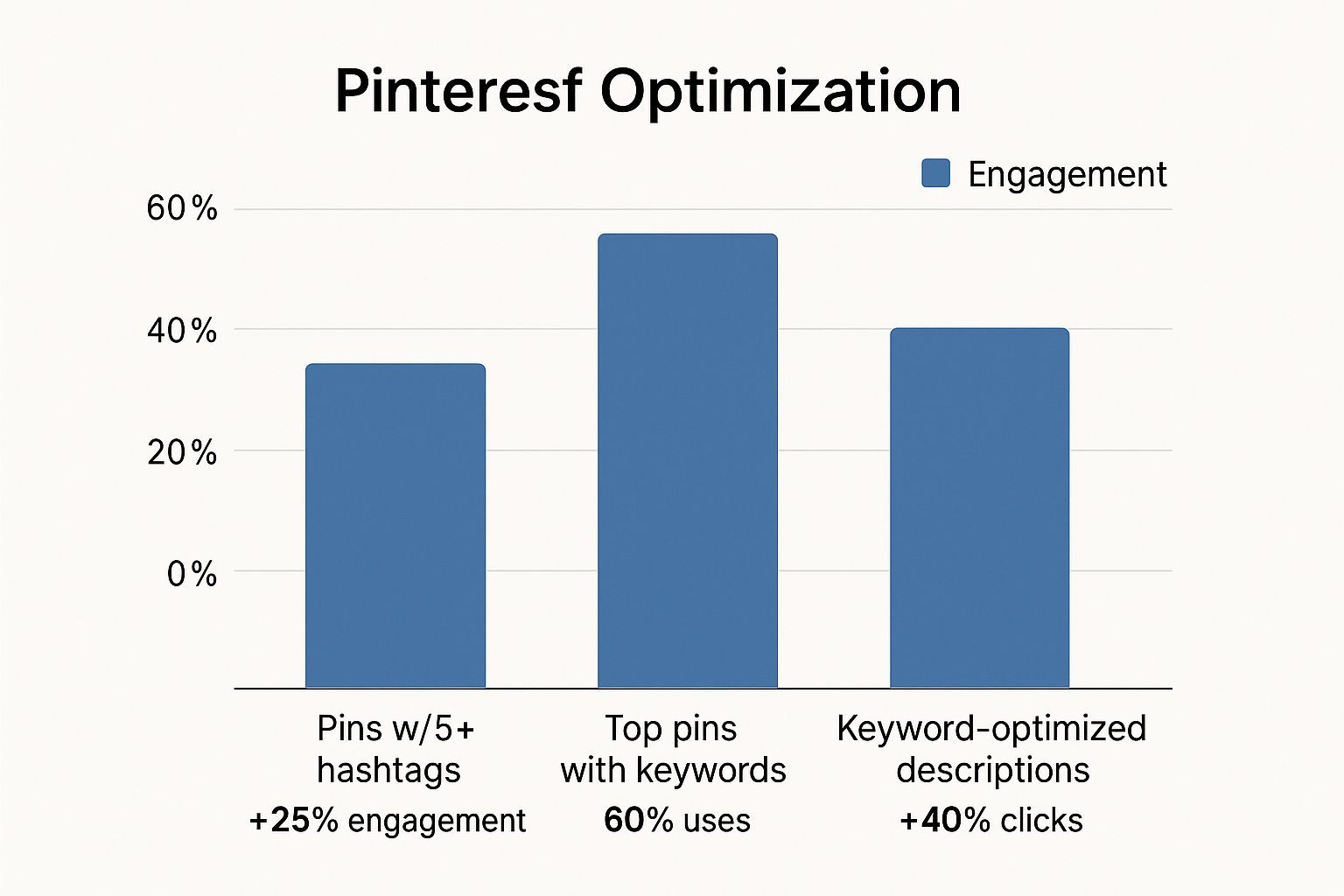
The data here is crystal clear. Adding keywords and relevant hashtags isn’t just a “nice-to-have”—it’s a direct line to more engagement and clicks, which are the first steps toward earning a new follower.
To help you decide which format to focus on, here’s a quick breakdown of how they stack up.
Pinterest Content Type Performance Comparison
This table compares the primary use cases and performance characteristics of different Pinterest content formats to help you decide which to use for your follower growth strategy.
| Content Type | Best For | Key Benefit |
|---|---|---|
| Static Image Pin | Evergreen content, final results (e.g., finished recipes, styled rooms), and quick inspiration. | Drives long-term, consistent traffic from search. |
| Video Pin | Tutorials, behind-the-scenes, product demos, and process-oriented content. | High engagement rate and excellent for storytelling. |
| Idea Pin | Step-by-step guides, listicles, and building an on-platform community. | Boosts visibility and follower growth due to preferential treatment by the algorithm. |
Using a mix of these formats based on your specific goals is the smartest way to keep your profile fresh and growing.
Build Your Strategy on Content Pillars
Instead of just throwing content at the wall to see what sticks, get organized with content pillars. These are the 3-5 core topics that your brand is all about.
Think of them as the main categories of your expertise. For a meal planning blogger, the pillars might be “30-Minute Meals,” “Budget-Friendly Recipes,” and “Healthy Desserts.”
This approach makes a huge difference.
- It keeps you consistent. You’re always reinforcing what you’re known for.
- It builds the right audience. You attract people who are genuinely interested in your niche.
- It makes content creation easier. No more staring at a blank screen. You always have a starting point for brainstorming new Pin ideas.
Within these pillars, try to mix up the type of content you share. A good balance is part inspirational (beautiful travel photos), part educational (“How to Pack a Carry-On”), and part promotional (linking to your travel planning services).
If you’re looking for more guidance on this, our guide on how to make Pinterest Pins breaks it down even further.
Your Guide to a Consistent Pinning Strategy
Let’s be honest: Pinterest runs on activity. The algorithm loves to see a steady flow of fresh content, and it rewards creators who deliver.
When you’re consistently active, Pinterest sees you as a valuable source and is more likely to show your Pins to a wider audience.
But “being consistent” can sound exhausting, right? It doesn’t have to be.
The secret isn’t about being chained to your desk, pinning manually all day long. It’s about building a smart, sustainable workflow that practically runs itself. This is how you can gain followers on Pinterest without burning out. You work in focused bursts, then let powerful tools take over.
Finding Your Pinning Sweet Spot
One of the first questions I always get is, “So, how often should I actually be pinning?” There’s no single magic number that works for everyone; the ideal frequency really depends on your niche and how much time you can realistically commit.
That said, a great starting point for most creators is to aim for somewhere between 5 and 25 total Pins per day.
Now, before you panic, that doesn’t mean you need to come up with 25 brand-new ideas and designs from scratch every single day. The real key is to use a strategic mix of new content and your tried-and-true winners.
Here’s how that breaks down:
- Fresh Pins: This is your number one priority. A “fresh” Pin is any new image or video that Pinterest hasn’t seen before. It can link to an old blog post, but the visual itself must be new. The algorithm is hungry for fresh creative, so feed it what it wants.
- Repinning: This is simply sharing your own popular Pins to different (but still relevant) boards. You can also sprinkle in some high-quality Pins from other creators in your niche. This keeps your boards looking active and full of value without requiring you to be in constant creation mode.
A fantastic ratio to start with is 80% fresh Pins and 20% repins. So, if you’re aiming for 10 Pins a day, that means you’d focus on creating 8 new Pin designs and then repinning 2 of your older, high-performing Pins to other boards.
This approach gives you the best of both worlds—new content to please the algorithm and recycled content to maximize your existing efforts.
Key Insight: Consistency is more about rhythm than sheer volume. Pinning 5 quality Pins every single day is infinitely more effective than dumping 50 Pins in one day and then going silent for a week. A steady, predictable pace is what builds momentum.
The Power of Scheduling and Batching
Trying to pin multiple times a day, every day, is a fast track to giving up. The single most effective way to stay consistent is to embrace a scheduling tool like Post Paddle. This unlocks the true power of content “batching.”
Instead of scrambling for ideas daily, you can block off a couple of hours once a week to do all your Pinterest work in one go. You brainstorm, create all your visuals, write your keyword-optimized descriptions, and load everything into your scheduler. Then, the tool takes care of publishing everything for you at the best possible times.
This method is a total game-changer. Why?
- It frees up an incredible amount of your time and mental bandwidth.
- It guarantees your profile stays active, even when you’re on vacation or focused on other things.
- It helps you keep your branding on point because you’re creating everything in one focused session.
A Sample Weekly Pinning Workflow
Let’s make this super practical. Here’s a simple workflow you can steal and adapt. We’ll pretend our goal is 70 Pins for the week, which breaks down to 10 Pins per day.
Monday: Creation Day (2 hours total)
- Brainstorm (30 mins): Open up your content calendar and analytics. Find 5-7 key blog posts, products, or ideas you want to promote this week.
- Design (90 mins): Fire up your favorite design tool. For each piece of content, create 8-10 unique Pin variations. You can easily do this by changing the text overlay, swapping the background image, or tweaking the call to action. By the end of this session, you’ll have your 70 fresh Pins done and dusted.
Tuesday: Scheduling Day (1 hour total)
- Write & Optimize: Go through your 70 new Pins and write unique, keyword-rich titles and descriptions for each one. Don’t copy and paste!
- Load & Schedule: Upload all 70 Pins into your scheduler, like Post Paddle. Set your schedule to publish 8-10 fresh Pins daily across your most relevant boards.
- Set Up Repins: Find 10-15 of your all-time best-performing Pins. Schedule them to be repinned to different (but still relevant!) boards throughout the week, aiming for about 2 per day.
And just like that, with only three hours of focused work, your entire week of Pinterest marketing is set on autopilot. This is how you build sustainable growth and get back to doing what you do best.
Advanced Strategies to Speed Up Your Follower Growth

Alright, you’ve built a solid foundation. Your profile is sharp, you’re pinning consistently, and you’ve got your SEO game down. Now it’s time to shift gears from steady organic gains to something much faster.
This is where we move beyond just creating and scheduling.
We’re going to pour some fuel on the fire you’ve already started by using data, smart spending, and a little help from your friends to really amplify your results.
Put a Little Money Behind Your Best Pins
I know, “organic growth” is the dream, but hear me out: Pinterest Ads are a game-changer for getting followers, not just for making sales.
Think of them as a megaphone for your best content.
Instead of just hoping the right people see your Pins, you can pay to put them directly in front of a perfectly targeted audience. You can get incredibly specific, targeting people based on the keywords they’re searching for, their interests, and even their demographics.
Let’s say you’re a home decor blogger and have a Pin about “small living room ideas” that’s already doing pretty well on its own.
You can run a small ad campaign that shows that exact Pin to people who are actively searching for small living room ideas and have already shown an interest in apartment decor.
That kind of precision turns a tiny ad budget into a follower-generating machine.
My Two Cents: You don’t need a huge budget. Start small by “promoting” a Pin that already has good organic traction. When you set up the campaign, focus on the “Consideration” or “Awareness” objective. Your goal is to get your profile in front of fresh eyes that are very likely to be interested in what you do.
Let Your Analytics Be Your Guide
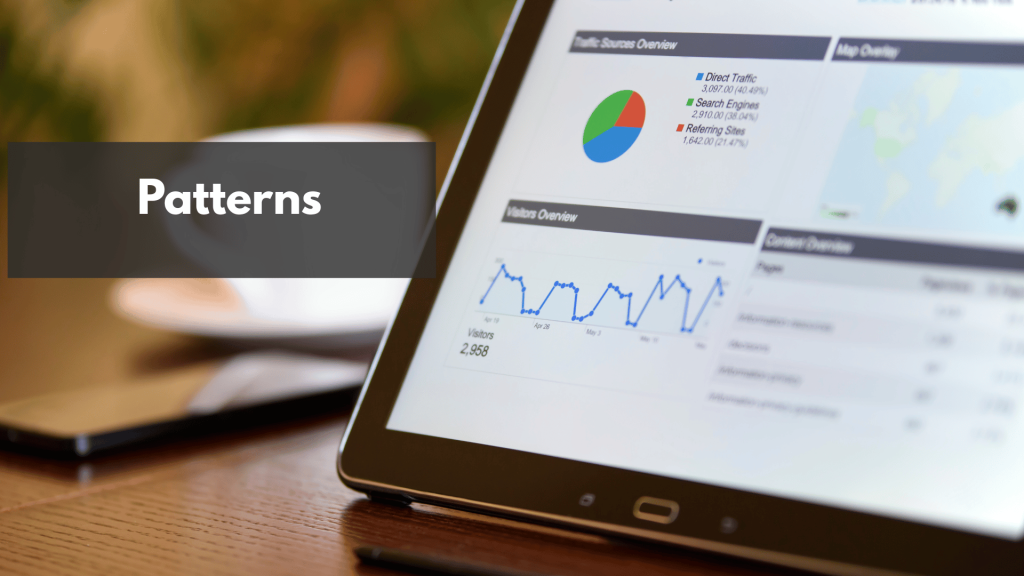
Your Pinterest Analytics dashboard is basically a treasure map. It shows you exactly what’s working and what’s not, so you can stop guessing and start making smart decisions.
I make it a habit to dive into my analytics at least once a month to see which Pins and boards are pulling their weight.
Look for the patterns. It’s all in the data.
- Which Pins are getting the most impressions and, more importantly, saves?
- What topics, colors, or styles pop up again and again in your top content?
- Are your Video Pins outperforming your static images? Or is it the other way around?
Once you spot a “winner”—a Pin that brings in a steady stream of traffic and saves—it’s time to double down on it.
Don’t just let it sit there. Create 5-10 new Pin variations for that exact same blog post or product. Use different images, tweak the headlines, and try new descriptions.
This strategy lets you milk your best content for everything it’s worth, attracting new followers long after the original Pin was published.
Team Up to Amplify Your Reach
Collaborating with other creators is one of the fastest shortcuts I know to get in front of a brand new, highly relevant audience. The key is to find creators who have a similar audience size but a complementary niche, so you’re not directly competing.
Group boards are a classic and effective way to do this. These are shared boards where multiple people can contribute Pins. Joining an active, well-moderated group board can instantly expose your content to thousands of potential followers.
But don’t stop there. Here are a few other collaboration ideas that work well:
- Content Swaps: You feature another creator’s blog post on your Pinterest, and they do the same for you. Simple and effective.
- Joint Giveaways: Team up with a few creators in your space to host a giveaway where people have to follow all accounts to enter.
- Go Live Together: Co-host a Pinterest Live or even an Instagram Live to chat about a topic you’re both experts on.
Strategic advertising on Pinterest isn’t just a small tactic anymore; it’s a huge opportunity.
The platform’s ad reach has skyrocketed to 340 million users, which is a 10.6% jump in just one year. This growth is fueled by smarter ad tools that help brands find their people, contributing to Pinterest’s first-ever billion-dollar quarter.
Interestingly, ads that trigger positive emotions see a six-fold lift in user action. This shows that connecting emotionally is a powerful part of any strategy to gain followers on Pinterest.
Turn Follower Growth Into a Side Effect of Doing the Right Things Well
Growing followers on Pinterest is not about chasing tricks or hacks. It comes from showing up as a reliable source of ideas in a specific space so often that people want your content in their feed.
When your visuals are clear, your topics are focused, your keywords match real searches, and your profile feels cohesive, the follow button becomes the obvious next step.
If you keep aligning your Pins, boards, and bio around the same core audience and problems, every save, click, and repeat visit strengthens that relationship.
Over time, followers become less of a vanity metric and more of a sign that you have built a recognizable presence on Pinterest that people actively choose to come back to.
Ready to Publish Pins That Actually Make People Want to Follow You?
Followers do not come from random posts. They come from consistently strong Pins that look good, read clearly and feel worth saving.
PostPaddle’s FREE Pinterest Pin Checklist helps you pause for a quick quality check before you publish, so the Pins that represent your brand in the feed are intentional rather than rushed.
That kind of consistency is what turns casual scrollers into repeat viewers and, eventually, into followers.
Common Questions About Gaining Pinterest Followers
When you’re trying to grow your Pinterest account, it’s totally normal to have a ton of questions. Let’s be honest, figuring out what actually works can feel like a mix of art and science.
I get asked the same questions time and again, so I’ve put together some straight-to-the-point answers to help you navigate those “am I doing this right?” moments.
Think of this as a chat with someone who’s been in the trenches. We’ll cut through the noise and talk about what really matters for growing a loyal audience on Pinterest.
How Long Until I See Real Follower Growth?
This is the big one, isn’t it? The honest-to-goodness answer is that real, sustainable growth on Pinterest is a marathon, not a sprint.
Sure, a Pin can go viral overnight, but building a community of followers who genuinely care about your content takes time and consistency.
Most creators who stick to a solid strategy—pinning daily, optimizing for search, and sharing valuable content—start seeing a real, steady uptick in followers within 3 to 6 months.
The magic of Pinterest is its long-term payoff. The work you put in today keeps working for you for months, even years, as your Pins continue to show up in search results and bring new people to your profile.
Key Takeaway: Try not to get discouraged if you don’t see an explosion of followers in the first few weeks. Focus on consistent, high-quality actions. Trust me, the momentum will build. The evergreen nature of your Pins is your best friend here.
Should I Create New Pins or Repin Old Content?
The sweet spot is a healthy mix of both. The Pinterest algorithm absolutely loves fresh content, which it sees as a new image or video it hasn’t indexed before.
This means that regularly creating new Pin designs is non-negotiable for getting the best visibility, even if those Pins link back to your older blog posts or products.
At the same time, don’t forget about your greatest hits! Repinning your own top-performing content (and relevant Pins from others) is a smart way to keep your boards active and give your audience more of what you already know they love.
A good rule of thumb to start with is the 80/20 rule:
- 80% Fresh Pins: The majority of your energy should go into creating brand-new visuals.
- 20% Repins: Use this to recirculate your proven winners to different, relevant boards.
This approach tells Pinterest that you’re an active and valuable creator, which is exactly what you need to attract more followers.
Do I Need Pinterest Ads to Get More Followers?
Nope, you can absolutely build a significant following on Pinterest without spending a dime on ads. A strong organic strategy built on SEO and quality content is the foundation of any successful account.
I’ve seen countless accounts grow to thousands of followers purely through organic effort.
That said, it can be helpful to think of Pinterest Ads as an accelerator.
While not essential, they can definitely speed up your follower growth if you have the budget. You can use ads to promote your best-performing organic Pins to a super-targeted audience, guaranteeing your content gets in front of people who are most likely to be interested and hit that “Follow” button.
For a deeper dive, our full guide on how to gain Pinterest followers breaks down both organic and paid methods.
What Is the Biggest Mistake People Make?
Hands down, the most common mistake is treating Pinterest like it’s Instagram or Facebook. This mindset shift is everything.
When you treat it like a typical social media platform, you end up making critical errors that can stall your growth before it even begins.
I see these mistakes all the time:
- Ignoring Keywords: People forget to use relevant keywords in Pin titles, descriptions, and on their boards. This is a huge missed opportunity.
- Using Wrong Image Sizes: Posting square or horizontal images that get lost in the feed instead of the optimal vertical 2:3 ratio.
- Chasing Quick Engagement: Focusing on immediate likes and comments instead of what really matters on Pinterest: long-term search value and saves.
Success on Pinterest comes from understanding what it truly is: a visual search engine.
Once you pivot your strategy to align with how people actually use the platform to find ideas and inspiration, you’ll naturally avoid these pitfalls and set yourself up for real, long-term follower growth.