
Turning Pinterest into a real income stream doesn’t happen by accident.
It comes from understanding how people actually use the platform and matching that with smart monetization strategies.
Whether you want to earn through affiliate links, digital products, services, or sponsorships, Pinterest can quietly become one of your most profitable traffic and sales channels.
In this guide, you’ll map out exactly how to make money from Pinterest in a way that’s intentional, sustainable, and built for long-term growth.
Why Pinterest Actually Pays (And Other Platforms Don’t)

What most people miss about making money on Pinterest is that it isn’t really a social media platform.
Think about it: you scroll through Instagram or Facebook for entertainment and to see what friends are up to.
But when you open Pinterest, your mindset shifts. You’re not there to socialize; you’re there to plan, discover, and, most importantly, buy.
This fundamental difference in user intent is why Pinterest converts at rates that make other platforms envious.
Users on Pinterest are actively hunting for solutions. They’re searching for “summer dinner recipes,” “small bathroom remodel ideas,” or “the perfect wedding guest dress.”
They are future-focused, and their searches are often the first step in a purchasing journey.
This creates a perfect environment for monetization because you’re not interrupting their experience with an ad—you’re providing the exact solution they’re looking for.
The Psychology of the Pinner
The magic of Pinterest lies in its discovery-first algorithm combined with this high-intent user behavior.
Unlike platforms that prioritize who you know, Pinterest prioritizes what you’re interested in.
It’s a visual search engine where an incredible 89% of weekly users are on the platform for purchase inspiration.
They come with an open mind, ready to be influenced by great ideas and products.
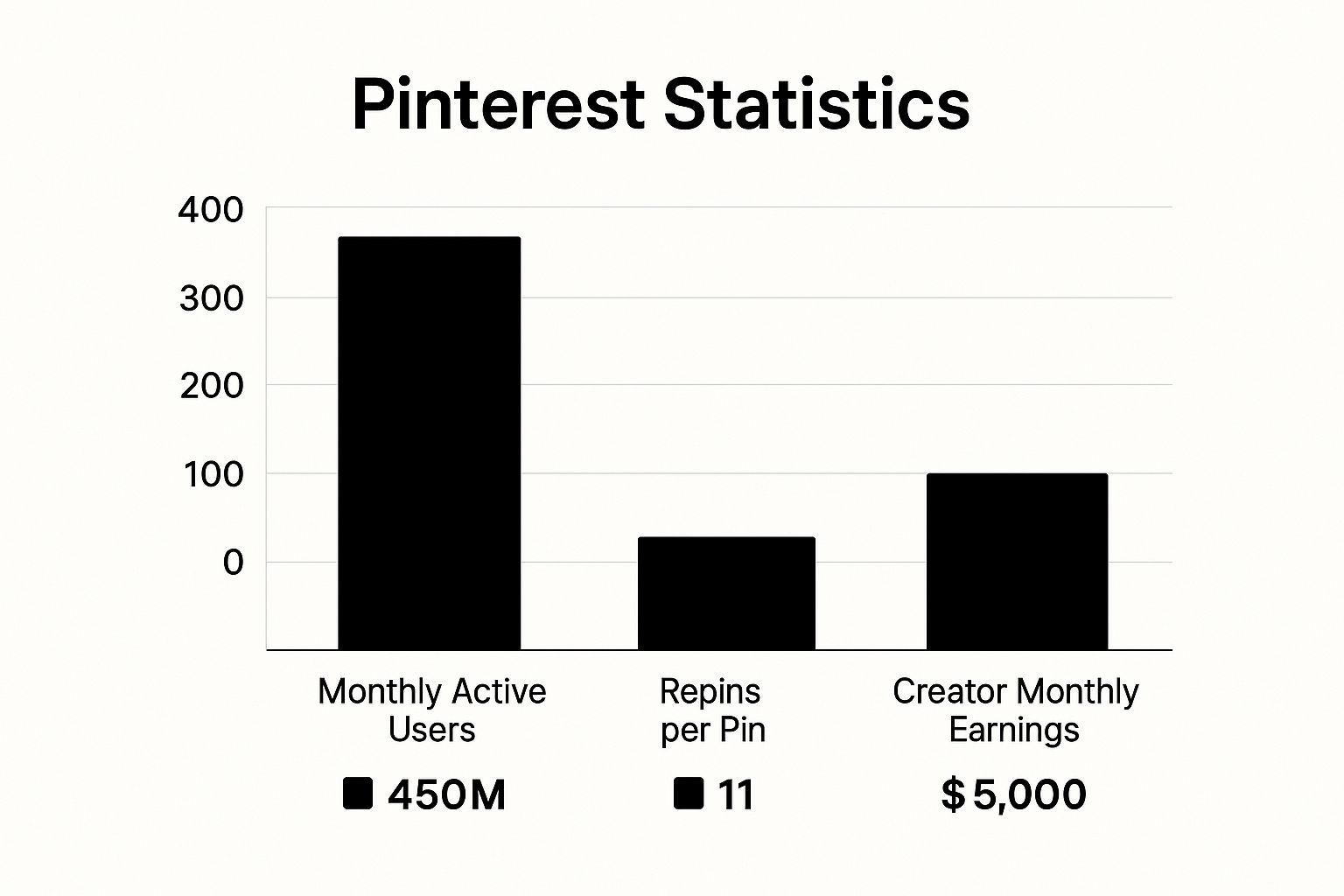
This infographic shows just how big the opportunity is, highlighting the massive user base, high engagement per pin, and significant earning potential for creators.
These numbers clearly show that a large, active audience is not just browsing but actively engaging with content, which directly translates into income opportunities for you.
A Platform Primed for Purchases
To see just how much more effective Pinterest is for monetization, let’s compare it directly to other major social platforms.
The data reveals a clear story about where users go when they’re ready to make a purchase.
| Platform | Monthly Users | Purchase Intent Rate | Referral Traffic to E-commerce | Primary User Age |
|---|---|---|---|---|
| 570 Million | High (89% use for purchase inspiration) | High (Significant source for e-commerce sites) | 25-44 | |
| 3.07 Billion | Low (Primarily for social connection) | Moderate | 25-34 | |
| 2 Billion | Moderate (Increasingly used for shopping, but still discovery-focused) | Moderate | 18-34 | |
| X (Twitter) | 619 Million | Low (News and real-time updates) | Low | 30-49 |
As the table shows, while other platforms have larger user bases, Pinterest’s audience is uniquely primed for shopping.
This high purchase intent and strong referral traffic make it a goldmine for anyone looking to monetize their content.
The platform’s growth and user demographics further cement its status as a monetization powerhouse.
As of early 2025, Pinterest boasts 570 million monthly active users, a figure that grew by a healthy 10% year-over-year.
What’s even more compelling is that an astounding 85% of weekly users have made a purchase based on Pins from brands.
The audience is there, and they are ready to spend. This is especially true for the younger demographic, with Gen Z making up 42% of the global user base and heavily influencing e-commerce trends.
Plus, with video Pins being viewed nearly 1 billion times daily, creators have a powerful tool to drive sales.
You can explore the full report and discover more insights about Pinterest’s record user growth.
The official Pinterest for Business homepage highlights the platform’s focus on connecting creators and businesses with a shopping-minded audience.
This makes it clear that Pinterest is built from the ground up to help you reach customers, not just followers. It’s less about social validation and more about driving tangible business results.
When you learn how to make money from Pinterest, you’re tapping into a system designed for commercial success.
Affiliate Marketing That Actually Converts on Pinterest
If you’re thinking about affiliate marketing on Pinterest, forget the aggressive “buy now” tactics you see on other platforms.
The key to learning how to make money from Pinterest is a much softer, more genuine approach.
Success here isn’t about blasting out links; it’s about weaving product recommendations into content that inspires people—content they actually want to save and share.
You need to be the helpful friend with great taste, not a pushy salesperson.
The entire Pinterest ecosystem is built for this kind of subtle promotion. Users aren’t just scrolling to kill time; they’re actively planning their next purchase, DIY project, or dream vacation.
They have a problem and are searching for a visual solution. Your role as an affiliate is to present that solution beautifully.
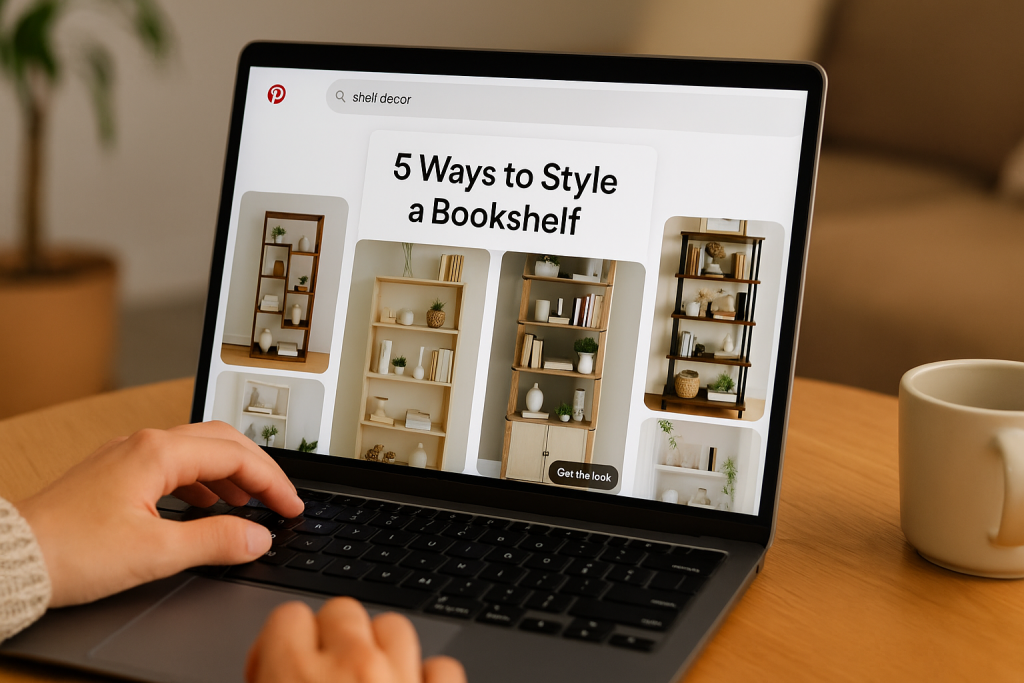
Instead of a Pin showing just a product, create a Pin titled “5 Ways to Style a Bookshelf” and feature affiliate-linked decor items as part of that visual guide. You’re offering inspiration first and the product second.
Choosing Affiliate Programs That Align with Pinterest
Your first task is to find brands that match Pinterest’s visual and aspirational vibe.
While big programs like Amazon Associates are a solid starting point, you should also look into networks specializing in niches that are popular on Pinterest.
Here are some of the most profitable categories to consider:
- Home Decor & DIY: Think furniture, lighting, paint, and clever organization products.
- Fashion & Beauty: Outfits, accessories, makeup tutorials, and skincare routines always perform well.
- Food & Recipes: Kitchen gadgets, unique ingredients, and meal delivery services are a perfect fit.
- Parenting & Crafts: Children’s products, educational toys, and craft supplies are consistently in demand.
When picking a program, don’t just focus on commission rates. Take a look at the brand’s visual assets. Do they provide high-quality product photos you can use?
A strong brand aesthetic makes your job of creating beautiful, clickable Pins much easier.
Crafting Pins That Don’t Scream “Advertisement”
The art of a great affiliate Pin is all about subtlety and value. Your main goal is to make the affiliate link a natural next step for someone who loves your idea.
Your Pin design should be clean, with text overlays that are easy to read on mobile.
Try using phrases like “Shop the look,” “Get the tools,” or “Find the ingredients here” instead of a generic “Buy Now.”
Transparency is also essential for building trust with your audience.
Pinterest requires you to disclose affiliate relationships, but it’s simple to do. Just add a hashtag like #ad, #sponsored, or #affiliatelink to your Pin description.
This small act of honesty shows your audience you’re being upfront and helps build your credibility for the long run.
The Amazon Associates dashboard is a great example of a platform that gives you the tools you need. It offers multiple ways to create links for products you want to promote.
This interface acts as the control center for many affiliates, allowing them to track earnings and discover new products that will resonate with their Pinterest followers.
To get more eyes on your content, check out our guide on how to increase Pinterest traffic.
At its heart, Pinterest is a discovery engine. In fact, an incredible 96% of top searches are unbranded, which means users are open to finding new products and ideas.
This is a massive advantage for affiliates. The platform also drives 33% more referral traffic to e-commerce sites than Facebook, making it a powerful channel for generating sales.
You can discover more stats on Pinterest’s e-commerce power to fully grasp its potential.
Turning Your Creative Skills Into Pinterest Profit
While affiliate marketing is a great entry point, the real power to make money from Pinterest often comes from selling your own products.
When you go from promoting someone else’s items to creating your own, you’re not just earning a slice of the pie; you’re building a brand.
Pinterest is a goldmine for creators who can turn their skills into products that solve problems and inspire pinners.
Think about it: your love for baking could become a best-selling ebook of gluten-free recipes.
Your talent for organization could transform into a popular line of printable planners. You’re no longer just a promoter; you’re the creator.
The best part? Pinterest is a fantastic market research tool. Before you spend a dime on a product idea, you can test the waters.
Let’s say you’re a graphic designer thinking about selling resume templates. You could create Pins like “5 Resume Mistakes Costing You the Job” or “How to Design a Resume That Gets Noticed.”
The engagement you get—saves, clicks, and comments—is direct feedback from your ideal customer, showing you exactly what resonates with them.
From Idea to Income: Creating Products That Sell

Once you know your idea has legs, it’s time to create your product. The options are vast and can be shaped around your unique talents.
Many creators see amazing success starting with digital products because they have almost no overhead and can be sold over and over again.
Here are a few product types that do exceptionally well on Pinterest:
- Digital Products: This is a broad category covering everything from printable wall art and digital planners to Lightroom presets, ebooks, and weekly meal plans. If you have knowledge in a specific area, you can package it digitally.
- Online Courses & Workshops: Are you an expert in something? Whether it’s calligraphy, coding, or container gardening, you can build a course around it. Pinterest is perfect for promoting this kind of educational content with helpful tutorial Pins and infographics.
- Physical Goods: For artisans and makers, Pinterest is a direct connection to customers who value quality craftsmanship. This could be handmade jewelry, custom home decor, unique clothing, or bespoke stationery. Using platforms like Shopify or Etsy makes the entire sales process much smoother.
Optimizing Your Products for the Pinterest Marketplace
Having a fantastic product is only half the battle; you need to make sure people can find it. This is where you need to get smart with Pinterest’s shopping features.
The first move is to set up a Pinterest business account and claim your website. This gives you access to essential tools, including Product Pins.
These are special, dynamic Pins that automatically pull up-to-date pricing, availability, and product details straight from your website, making them shoppable on the spot.
Your product photography is your strongest sales pitch. Your images need to do more than just show the product; they need to tell a story.
Instead of a sterile photo of a candle on a white background, show it styled on a coffee table in a cozy living room.
This helps Pinners see the product in their own lives, which is a huge motivator for buying.
A study by Time Inc. highlighted that custom content with context is much more effective than old-school ads—a principle that is perfectly at home on a visual platform like Pinterest.
E-commerce sites like Etsy are brilliant at this. They showcase products in a way that feels both aspirational and achievable, a strategy that works perfectly for Pinterest.
This screenshot shows how top sellers use lifestyle photos and clear, benefit-driven titles to catch a buyer’s eye. You can use this exact tactic for your own Pins.
It turns a simple product listing into a curated discovery, which is precisely the experience Pinterest users are after.
By creating Pins that show your product in action, you’re not just selling an item—you’re selling a vision.
Pinterest Ads That Pay for Themselves (And Then Some)
While building an organic presence is a solid foundation, diving into paid advertising is how you can really speed up your journey to make money from Pinterest.
Let’s be real, the Pinterest Ads Manager can look a bit overwhelming at first glance.
But once you filter out the noise and focus on what actually gets results, it becomes a seriously powerful tool for growing your income.
We’re not talking about vanity metrics like impressions; we’re focused on campaigns that directly lead to sales and profit.
Think of Pinterest ads as an investment, not an expense. You’re putting in a dollar with the goal of getting two, three, or even more back.
This isn’t just wishful thinking—it’s a reality for tons of businesses that tap into the platform’s unique, purchase-ready audience.
The entire ad ecosystem on Pinterest is booming, largely due to its smart, AI-driven tools.
This growth is fueling major revenue, with Pinterest’s ad income hitting around $855 million in the first quarter of 2025 alone—a 16% increase from the year before.
With projections suggesting it will climb to $5.1 billion in the US by 2027 and more than 2 million advertisers already on board, the opportunity is huge.
Brands often report a 32% higher return on ad spend (ROAS) on Pinterest compared to other platforms. You can get more details from these compelling Pinterest ad statistics.
Beyond Basic Targeting: Finding Your Buyers
The true power of profitable Pinterest ads comes down to audience targeting.
Moving beyond simple demographics like age and gender is where you’ll find your advantage. Instead, concentrate on interest and keyword targeting.
For instance, if you sell custom wedding invitations, don’t just target “engaged women.” Go deeper. Target users who are actively searching for “rustic wedding ideas,” “calligraphy invitations,” and “bohemian wedding themes.”
Another highly effective strategy is creating actalike audiences. This is where you upload a list of your existing customers or email subscribers, and Pinterest’s algorithm finds other users with similar traits and behaviors.
It’s like creating a clone of your best customers—an audience that’s already primed and much more likely to convert.
This is one of the quickest ways to build a high-performing campaign from the get-go.
The Pinterest Ads Manager gives you a clear dashboard to set up and track these campaigns.
This dashboard is your command center for creating campaigns with different goals, from driving traffic to boosting conversions.
Getting comfortable with this interface is your first step toward launching ads that generate a positive return.
Before we dive into creative strategies, let’s break down the different ad formats you can use.
Understanding the options, their costs, and what they’re best for will help you allocate your budget wisely for the best possible return.
Pinterest Ad Formats and ROI Comparison
Complete breakdown of different Pinterest ad types, their costs, typical CTR, and expected ROI for various business types
| Ad Format | Average Cost | Typical CTR | Best Use Case | Expected ROI |
|---|---|---|---|---|
| Standard Pin Ads | $0.10 -$ 1.50 per click | 0.5% – 1.5% | Driving traffic to blog posts or landing pages, building brand awareness. | 2x – 3x ROAS (for e-commerce/affiliate) |
| Video Pin Ads | $0.50 -$ 2.00 per view | 1.0% – 2.5% | Product demos, tutorials, storytelling, showing a product in action. | 3x – 5x ROAS (higher engagement drives conversions) |
| Carousel Ads | $0.15 -$ 1.75 per click | 0.8% – 2.0% | Showcasing multiple products, features, or angles of a single item. | 2.5x – 4x ROAS (great for retail and fashion) |
| Shopping Ads | $0.10 -$ 1.00 per click | 1.5% – 3.0% | Direct product sales, retargeting users who viewed specific products. | 4x – 6x ROAS (highly targeted, high purchase intent) |
| Collections Ads | $0.20 -$ 2.00 per click | 1.2% – 2.8% | Creating an immersive, shoppable experience with multiple products. | 3.5x – 5.5x ROAS (ideal for lifestyle and home decor brands) |
This table shows that while Standard Pins are a great entry point, formats like Video and Shopping Ads often yield a much higher return because they are more engaging and closer to the point of purchase.
Your best bet is to test a couple of formats to see what connects most with your specific audience.
Crafting Creatives That Capture and Convert

Your ad creative—the Pin itself—is your most important asset. On a visual-first platform like Pinterest, it needs to grab attention in a split second.
Here are a few tried-and-true tips for creatives that actually work:
- Use Vertical Video: Video ads almost always outperform static images. A short, 6-15 second video that shows your product in use or solves a problem for the viewer is incredibly powerful.
- Add Text Overlays: Most people scroll with the sound off. Use bold, easy-to-read text overlays to get your main point across instantly. Think “5-Minute Dinner Idea” or “The Perfect Summer Dress.”
- Focus on Lifestyle, Not Just the Product: Show your product in a real-world setting. Instead of just a photo of a backpack on a white background, show someone happily hiking with it. Help Pinners imagine the product in their own lives.
By mixing sharp targeting with eye-catching creative, you can build a system where your ad spend doesn’t just pay for itself—it becomes a reliable engine for growing your business.
Building Your Pinterest Empire Through Strategic Content
The dream of becoming a Pinterest “influencer” often conjures images of overnight success and huge follower numbers.
But in reality, building a profitable presence is less about chasing viral moments and more about the deliberate, steady work of creating real value and earning trust.
This is the secret to moving from just another account to a trusted expert in your space, which opens the door to sponsorships and brand deals
It all begins with choosing your battlefield wisely. Instead of diving into a saturated category like “general recipes,” get specific.
Think about niches like “easy vegan meals for busy weeknights” or “sustainable home decor on a budget.”
This allows you to connect with a super-targeted audience that isn’t just scrolling—they’re actively looking for answers.
These Pinners are far more likely to trust your advice and, down the line, your sponsored recommendations.
Positioning Yourself as a Niche Expert
After you’ve picked your niche, your primary goal is to be the most helpful resource within it. You achieve this with a consistent content strategy that gets ahead of what your audience needs.
Think of yourself as a magazine editor, planning your content around specific themes. A content calendar becomes your roadmap to establishing authority.
For instance, a DIY blogger could dedicate a month to “Spring Garden Prep,” creating Pins for everything from choosing the right seeds to building your own raised beds.
Every Pin you create should do more than just look good; it needs to teach, inspire, or solve a problem. This consistent delivery of value is what builds the trust required for monetization.
Brands aren’t just looking for creators with lots of followers; they want partners who have the right followers—an audience that listens, engages, and acts.
Remember, custom content that genuinely helps people is much more powerful than a traditional ad, especially on a platform built for discovery and inspiration.
A polished Pinterest profile acts like a visual resume, showing off your expertise and style at a glance.
This example shows how a consistent look and feel across boards and Pins instantly tells a brand what you’re about.
When a brand manager sees a profile like this, they immediately get a sense of your value and who your audience is.
Approaching Brands and Negotiating Partnerships
Once you’ve built a solid foundation of great content and have an engaged audience, you can start thinking about brand partnerships. Don’t just sit back and wait for them to come to you.
Be proactive by creating a professional media kit. This should highlight your niche, audience demographics (which you can find in your Pinterest Analytics), engagement stats, and examples of your best work.
When you reach out, make your pitch personal. Show them you’ve done your homework.
Explain exactly why your audience is a great match for their product and suggest a specific collaboration idea.
Instead of a generic “I’d love to work with you,” try something like, “Next month, I’m planning a content series on ‘small apartment organization hacks’ and would love to feature your storage solutions in a video Pin and a detailed blog post.”
This positions you as a strategic partner, not just another creator asking for free stuff.
Here’s a quick rundown of what brands are typically looking for:
- Authentic Alignment: Does your content naturally fit their product? A forced partnership will feel off to your audience and won’t perform well.
- Consistent Engagement: High-quality saves and clicks often matter more than a massive follower count. It proves your audience is truly paying attention.
- Professionalism: Clear communication, a well-designed media kit, and proactive ideas will make you stand out from the crowd.
Negotiating fair pay is essential. Your rates should be based on more than just your follower number; consider the quality of your content, your engagement rates, and the effort it takes to produce a sponsored Pin.
Don’t be afraid to start a conversation about what a fair partnership involves.
As you gain more experience, you’ll find that a smart Pinterest marketing strategy is about more than just pinning—it’s about building a real, sustainable business.
Systems and Tools That Scale Your Pinterest Income
If you’re getting serious about making money from Pinterest, you’ve probably figured out one thing pretty quickly: pinning everything by hand is a recipe for burnout.
The idea of creating, tweaking, and posting several high-quality Pins every single day just isn’t sustainable.
This is where savvy entrepreneurs stop being just content creators and start becoming system builders.
By using the right tools and automation, you can grow your reach and revenue without being chained to your screen.
The idea isn’t just to post more content, but to post it smarter. This means scheduling your Pins to go live when your audience is most active, automatically resharing your top performers to new boards, and actually looking at the data to see what drives clicks and sales.
This systematic approach is what turns a Pinterest hobby into a legitimate income stream.
Scheduling and Automation Platforms
The foundation of any solid Pinterest strategy is a reliable scheduling tool.
Think of these platforms as more than just a calendar—they’re your secret weapon for maintaining the consistent presence that the Pinterest algorithm loves to see.
There’s a reason why platforms like Tailwind and Later are so popular. They help you:
- Bulk upload and schedule hundreds of Pins at once, which can save you a ton of time.
- Use Smart Scheduling features that analyze when your followers are online and post your Pins at the perfect times for engagement.
- Join Communities (a feature on Tailwind) to connect with other creators and get your content shared with new, relevant audiences.
- Automatically loop or shuffle your evergreen content, making sure your best Pins are always circulating and bringing in traffic.
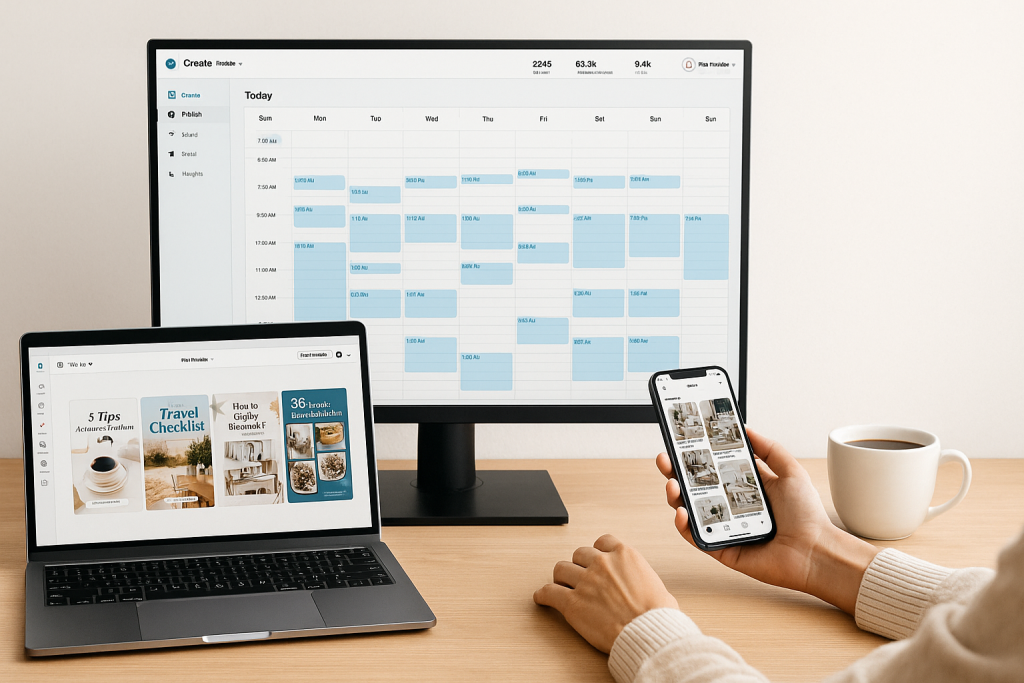
Here’s a peek at the Tailwind dashboard. You can see how it maps out your Pin schedule for you, hitting those ideal posting times.
This kind of visual calendar makes it simple to keep a steady flow of content going out.
Your account stays active and visible, even when you’re busy with other parts of your business.
Content Repurposing and Creation Tools
Trying to come up with brand-new Pin ideas every day is exhausting. A much better approach is to get the most out of every piece of content you already have.
For instance, a single blog post can be spun into dozens of unique Pins.
You can create a standard Pin, an Idea Pin, a Video Pin, and several graphic Pins with different text and images—all leading back to that same article.
This is where automation tools built for content creation, like our own Post Paddle, can be a game-changer.
These tools can automatically pull information from your blog posts and generate a bunch of unique, ready-to-post Pin designs in just a few minutes.
They even handle writing SEO-friendly titles and descriptions, which frees you up to think about your overall strategy.
When you build a system around these tools, you can manage multiple income streams far more effectively. Imagine this scenario:
- Your blog post brings in money from ad revenue.
- Affiliate Pins you create from that post start driving commission-based sales.
- Product Pins that link to your digital planner (which you mentioned in the post) generate direct income.
All of this can be managed and scaled with automation, creating a powerful, self-sustaining engine for your business.
A well-thought-out content plan is essential, and you can dive deeper into how to build one in our detailed guide to creating a Pinterest content calendar.
By putting these systems in place, you move from working in your business to working on it.
Your Pinterest Money-Making Action Plan
Alright, let’s get down to the exciting part: turning your Pinterest presence into a real source of income. This isn’t about vague ideas; it’s about creating a concrete plan.
You’ll start by figuring out how much time you can realistically commit and then matching that to the right monetization strategy for you.
By the end of this, you’ll have a clear roadmap for your first 90 days on Pinterest, with goals you can actually achieve.
Choose Your Monetization Path
Picking the right strategy from the get-go is key to building a consistent income stream.
Think about your skills, your schedule, and what you enjoy doing. Here’s a quick breakdown to help you decide:
- Affiliate Marketing: This is a natural fit if you’re a blogger or creator who already loves sharing and reviewing products. You earn a commission when someone buys through your unique link.
- Digital Products & Courses: Perfect if you have specialized knowledge. You can package your expertise into an e-book, a template, or an online course and sell it directly to your audience.
- Sponsored Content: If you’ve already built a beautiful profile with an active, engaged following, this is a great route. Brands will pay you to create content featuring their products.
- Pinterest Ads: A powerful option if you’re willing to invest a small budget to speed things up. Ads can get your best content in front of a much larger, targeted audience quickly.
- Automation Tools: Honestly, this is almost a necessity for anyone serious about making money on Pinterest, especially if you’re managing multiple boards or niches.
Each path requires a different mix of effort and offers a different potential return. Consider what you can manage now and how you might want to grow in the future.
Realistic 90-Day Timeline
A structured plan is your best friend for staying focused and seeing progress.
This 90-day plan breaks the process down into three manageable phases, so you know exactly what to work on and when.
| Timeframe | Focus Area | Milestone | Income Target |
|---|---|---|---|
| Month 1 | Profile Optimization | Claim website & set up boards | $0–$100 |
| Month 2 | Content & Pin Creation | Publish 30 high-value Pins | $100–$300 |
| Month 3 | Promotion & Testing | Launch first ad campaign | $300–$600 |
| Ongoing | Scaling & Refinement | Automate top-performing content | $600+ |
This timeline helps keep your goals front and center, pushing you to take daily action.
More importantly, it maps out a clear path to hitting income targets that grow as you build momentum.
Tackle Common Challenges
Every creator on Pinterest hits a few bumps in the road. The trick is to anticipate them and have a plan ready. Here’s how to handle the most common ones:
- Algorithm Changes: The algorithm is always evolving. Keep a close eye on your weekly analytics to see what’s working and adjust your Pinning schedule or content style accordingly.
- Seasonal Fluctuations: Use the Pinterest Trends tool to get ahead of seasonal interest. For example, start planning your holiday boards at least 30 days before the season kicks off.
- Increased Competition: Don’t try to compete with everyone. Instead, focus on underserved micro-niches and experiment with fresh visual formats like Video Pins or Idea Pins to stand out.
- Content Fatigue: It’s tough creating new content constantly. Rotate your best-performing evergreen Pins using a content loop to keep your boards active and driving traffic without burning out.
Having these tactics in your back pocket means that small shifts in the platform won’t throw your entire income strategy off track.
Tools to Track Your Progress
You can’t grow what you don’t measure. Building a real business on Pinterest means tracking your performance.
Here are a few essential elements to put in place:
- Income Worksheet: A simple spreadsheet to track your commission rates, product sales, and ad spend. This gives you a clear picture of your actual profit.
- Goal Tracker: Log your weekly saves, outbound clicks, and conversion rates. This helps you identify which Pins and boards are truly driving results.
- Metric Dashboard: In your analytics, focus on the numbers that matter: engagement rate, click-through rate (CTR), and, if you’re running ads, your return on ad spend (ROAS).
- Review Cycle: Schedule a check-in with yourself every quarter. This is your time to look at what worked, what didn’t, and adjust your strategy for the next 90 days.
By setting up these simple systems, you’ll move from just posting content to strategically growing a business. Your Pinterest account will become a reliable, consistent revenue engine.
Turn Pinterest Ideas Into Income-Ready Content in Minutes
Writing high-converting pin titles, descriptions, and content ideas for every monetization strategy can eat up your entire day.
But if you want to make real money from Pinterest, you need a steady stream of fresh, targeted content that speaks directly to buyers, without burning yourself out.
That’s where Pinterest GPTs come in. These AI-powered tools are built specifically for Pinterest, so you can instantly generate pin ideas, scroll-stopping headlines, keyword-rich descriptions, product-promoting copy, and even content angles for your affiliate posts, digital products, or services.
Instead of staring at a blank screen, you can plug in your niche or offer and get dozens of optimized pin concepts that match the intent of people ready to plan, save, and buy.
Use them to test new monetization ideas faster, scale what’s already working, and keep your boards full of content that actually moves people toward a click and a purchase.
If you’re serious about turning Pinterest into a real income stream, give yourself a content engine that keeps up with your goals.
Common Questions About Making Money on Pinterest
1. How long does it take to start making money from Pinterest?
Most creators start to see early results within 2–3 months, but reliable income usually takes 3–6 months of consistent effort. Your timeline depends on how often you pin, how dialed-in your niche is, and whether you’re promoting affiliate offers, your own products, or services. Think of it as a long-term asset: the pins you publish today can keep sending traffic and sales for months or even years.
2. Do I need a blog or website to make money from Pinterest?
A blog or website gives you more control and income options, but it isn’t strictly required. You can still earn using affiliate links that go directly to retailers or by sending traffic to platforms like Etsy, Shopify, or other online storefronts. That said, owning your own site or landing pages makes it much easier to build an email list, sell digital products, and diversify your income over time.
3. How many followers do I need before I can monetize Pinterest?
There’s no magic follower number. Income on Pinterest has more to do with the quality of your content and how well your pins convert than with follower count. Even small accounts can make money if they target a clear niche, use strong keywords, and send traffic to high-converting pages. Focus on creating helpful, search-optimized pins first; followers and income tend to grow as a result.
4. What’s the best way for beginners to make money from Pinterest?
For most beginners, the easiest starting point is affiliate marketing or driving traffic to a blog that’s monetized with ads and affiliate links. You don’t need to create a product upfront, and you can start by recommending tools, products, or resources you already like. As your audience grows, you can layer in higher-earning options like digital products, online courses, or services.
5. Do I have to use Pinterest ads to make money?
No—many creators earn purely from organic traffic. However, Pinterest ads can speed things up once you know which pins, pages, or products already convert well. Ads work best as an accelerator: you take a proven idea (like a high-performing pin or product) and pay to put it in front of more of the right people. If you’re just starting, focus on organic strategy first, then test ads with a small, controlled budget.