
A captivating Pinterest board name is key to attracting your target audience and boosting your visibility. This isn’t just about aesthetics; it’s about strategic branding and SEO.
Effective Pinterest board names drive traffic, enhance engagement, and ultimately, grow your reach. This comprehensive guide delivers 10 powerful Pinterest board name ideas to transform your Pinterest strategy.
Learn how to craft names that are not only creative but also optimized for search. We’ll cover diverse approaches from keyword integration to emotional triggers and brand alignment.
This listicle provides actionable insights and real-world examples to help you:
- Attract Your Ideal Audience: Discover how the right Pinterest board name can act as a magnet, drawing in users genuinely interested in your content.
- Boost Your Pinterest SEO: Learn the art of crafting keyword-rich board names that improve your visibility in Pinterest search results.
- Enhance Engagement: Compelling board names spark curiosity and encourage users to click, explore, and interact with your pins.
- Elevate Your Brand: Project a professional and consistent brand image through carefully crafted board names that reflect your style and values.
Ready to elevate your Pinterest game? Let’s get started.
10 Expressive Pinterest Board Name Ideas
Learn different Pinterest board name ideas, covering everything from niche-specific strategies to leveraging trending topics.
We’ll delve into practical implementation details and explore how these concepts apply across various niches.
1. Niche-Specific Naming Strategy
Carving out a distinct space on Pinterest hinges on attracting the right audience.
The Niche-Specific Naming Strategy helps you do just that by using precise, industry-relevant terms in your board names. This approach replaces generic labels with targeted keywords that resonate with your ideal follower, making your boards easily discoverable by those actively seeking content within your niche.
Instead of a broad “Recipes” board, consider “Vegan Gluten-Free Baking” to attract a specific audience segment. This strategy is crucial for establishing your expertise and attracting a loyal following.
Examples and Implementation
Consider these examples: “Minimalist Scandinavian Interiors” instead of “Home Decor,” “Keto Meal Prep Ideas” instead of “Healthy Recipes,” or “Small Business Marketing Hacks” instead of “Business Tips.”
Notice how the niche-specific examples immediately convey the board’s focus, attracting a more targeted audience.
Actionable Tips for Niche-Specific Naming
- Research: Use Pinterest’s search bar and guided search suggestions to discover popular keywords within your niche.
- Validate: Leverage the Pinterest Trends tool to confirm the relevance and popularity of your chosen keywords.
- Specificity: Consider incorporating your target audience directly into the name (e.g., “Design Tips for Small Businesses”).
- Mobile Optimization: Keep names concise, ideally under 50 characters, for optimal display on mobile devices.
This strategy is particularly effective when launching new boards or revamping existing ones to better target a specific audience segment.
Popularized by brands like Martha Stewart Living, Better Homes & Gardens, and Food Network, niche-specific naming demonstrates a deep understanding of audience needs and positions you as a go-to resource.
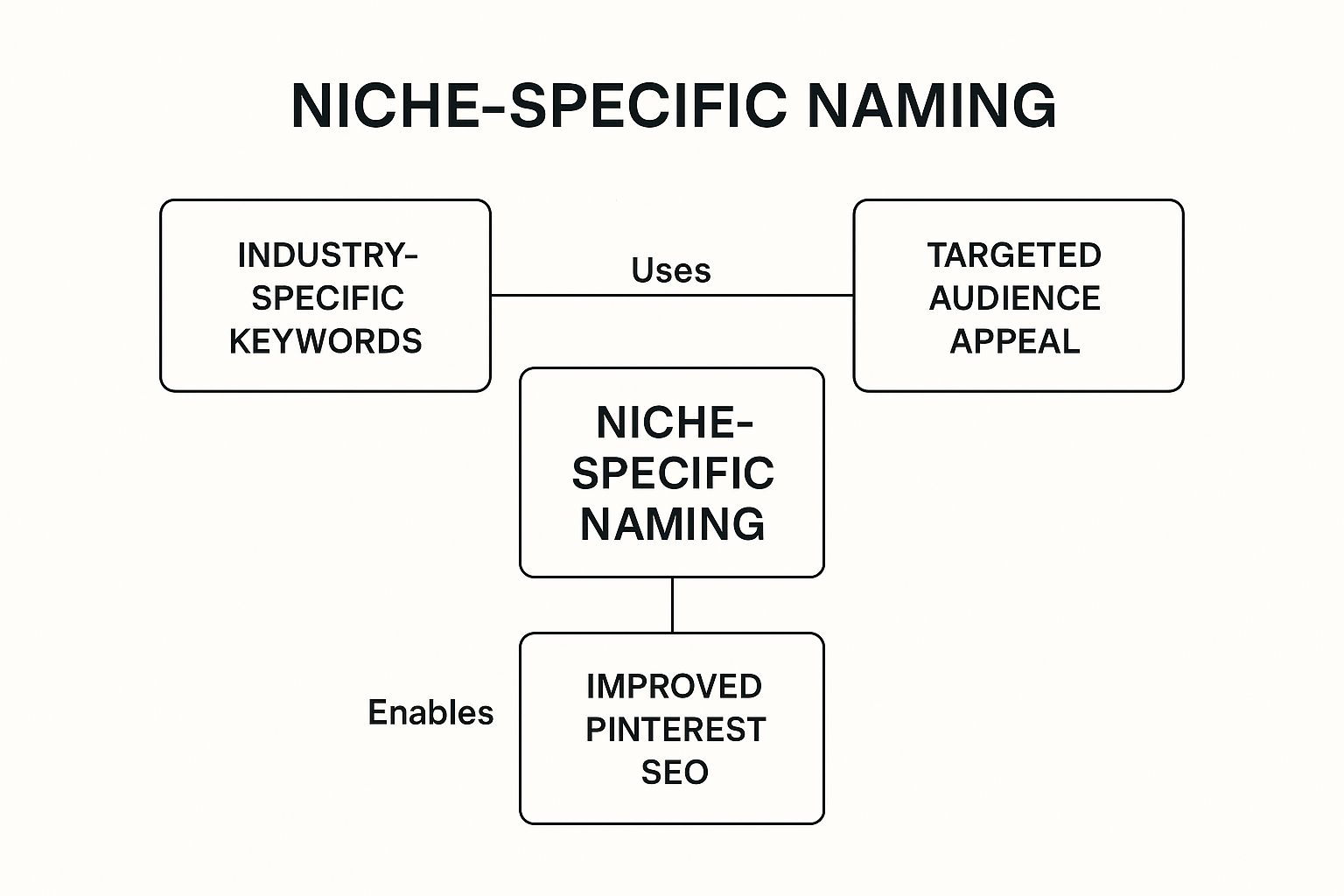
The infographic visualizes the core components of the Niche-Specific Naming Strategy, showcasing the relationship between industry-specific keywords, targeted audience appeal, and improved Pinterest SEO.
As the infographic illustrates, using niche keywords attracts your target audience, which, in turn, boosts your Pinterest SEO, creating a positive feedback loop for increased visibility and engagement.
2. Keyword-Rich Descriptive Names
Maximizing the discoverability of your Pinterest boards requires a strategic approach to naming.
The Keyword-Rich Descriptive Names strategy blends high-search-volume keywords seamlessly into board titles, creating a balance between SEO optimization and user-friendly language. This method ensures your boards appear in relevant searches while also appealing to users browsing Pinterest.
By understanding what your target audience is searching for, you can craft board names that attract both Pinterest’s algorithm and potential followers.
Examples and Implementation
Effective keyword-rich descriptive names clearly communicate the board’s content while incorporating relevant search terms. Examples include “Easy Weeknight Dinner Recipes,” “DIY Home Organization Ideas,” and “Budget-Friendly Wedding Decorations.”
These titles not only tell users what to expect but also utilize keywords people frequently search for on Pinterest.
This precise targeting helps your boards rank higher in search results, driving more traffic to your content.
Actionable Tips for Keyword-Rich Descriptive Names
- Pinterest Search Bar: Use Pinterest’s search bar to identify popular keywords related to your niche. As you type, Pinterest suggests related terms, providing valuable insights into user search behavior.
- Competitor Analysis: Examine the board names of successful competitors in your niche. This can reveal effective keyword combinations and inspire new ideas for your own boards.
- Long-Tail Keywords: Incorporate long-tail keywords (longer, more specific phrases) to target niche audiences and reduce competition.
- Keyword Testing: Experiment with different keyword combinations to see which ones perform best. Track your board’s performance in Pinterest Analytics to optimize your naming strategy. Learn more about Keyword-Rich Descriptive Names at this helpful resource.
This strategy is particularly valuable for boards focused on driving traffic and attracting new followers.
Popularized by brands like Tasty, HGTV, and Real Simple Magazine, keyword-rich descriptive naming enhances visibility and positions your boards as go-to resources within your niche.
3. Emotional Trigger Naming

Connecting with your audience on Pinterest requires more than just beautiful visuals; it requires tapping into their emotions.
The Emotional Trigger Naming strategy uses words and phrases that evoke feelings, aspirations, or desires, motivating users to save and engage with your content. This approach transforms passive browsing into active participation by resonating with the underlying psychological drivers behind pinning behavior.
Instead of a simple “Travel” board, consider “Wanderlust Adventures” to ignite a sense of adventure and escapism.
Examples and Implementation
Think “Dream Home Inspiration” instead of “Interior Design,” “Confidence-Boosting Outfits” rather than just “Fashion,” or “Cozy Moments & Comfort Food” instead of “Recipes.”
These emotionally charged names instantly connect with the user’s desires, making the boards more appealing and relatable.
Actionable Tips for Emotional Trigger Naming
- Use Power Words: Incorporate words like “ultimate,” “perfect,” “dreamy,” and “inspiring” to amplify the emotional impact.
- Focus on Outcomes and Feelings: Highlight the positive feelings or results associated with your board’s content (e.g., “Stress-Free Weeknight Dinners”).
- Consider Your Audience’s Aspirations: Tailor your emotional triggers to the specific desires and goals of your target audience.
- Test Emotional Responses: If possible, use focus groups or surveys to gauge the effectiveness of different emotional triggers.
This strategy is especially powerful for lifestyle, fashion, food, and travel-related boards.
Brands like Anthropologie, Free People, and Magnolia Market effectively use emotional triggers to create a strong connection with their target audiences, fostering a sense of community and brand loyalty.
By aligning your board names with your audience’s emotional landscape, you can significantly enhance engagement and drive more traffic to your content.
4. Action-Oriented Command Names

Captivating your Pinterest audience requires more than just beautiful imagery; it demands compelling board titles that inspire action.
The Action-Oriented Command Names strategy employs strong verbs and actionable language to encourage immediate engagement.
These names create a sense of urgency and empowerment, prompting users to interact with your curated content and apply it to their own lives. Instead of a passive board title like “Healthy Recipes,” consider a more dynamic title like “Fuel Your Body.”
Examples and Implementation
Think of titles like “Master Your Morning Routine,” “Transform Your Closet,” or “Create Your Perfect Garden.”
These action-oriented names instantly convey the board’s purpose and inspire users to explore the content within.
Notice how these examples use strong verbs and focus on positive transformation.
Actionable Tips for Action-Oriented Naming
- Start with Strong Action Verbs: Begin your board titles with verbs like “Create,” “Discover,” “Build,” or “Master.”
- Include Transformation Language: Incorporate words like “Transform,” “Upgrade,” or “Elevate” to suggest positive change.
- Use “Your” to Make it Personal: Adding “your” (e.g., “Design Your Dream Home”) makes the board feel more relevant to the individual user.
- Pair with Specific Outcomes: Connect the action with a desirable result (e.g., “Boost Your Productivity”).
This strategy is particularly effective for boards focused on self-improvement, DIY projects, or skill development.
Popularized by personalities like Marie Kondo, Chip and Joanna Gaines, and Tony Robbins, action-oriented command names tap into the desire for personal growth and achievement, making your boards more appealing and engaging.
This method encourages users to view your boards not just as collections of ideas, but as roadmaps for achieving their goals.
5. Seasonal and Trending Names

Leveraging current trends and seasonal events is a powerful strategy for Pinterest board names.
Seasonal and Trending Names capitalize on the heightened interest surrounding holidays, pop culture moments, and trending aesthetics.
This approach ensures your boards remain timely and relevant, attracting users actively searching for related content. By aligning your boards with what’s currently popular, you can experience significant surges in engagement and reach a broader audience.
Examples and Implementation
Think of names like “2024 Color Trends,” which taps into the annual anticipation for design forecasts. Similarly, “Cottagecore Aesthetic” connects with a specific style trend.
Holiday-themed boards like “Holiday Cookie Exchange” or event-focused names like “Back-to-School Organization” are also highly effective during specific periods.
These examples illustrate how seasonal and trending names cater to immediate user interests.
Actionable Tips for Seasonal and Trending Names
- Monitor Pinterest Trends: Regularly check Pinterest Trends to identify emerging keywords and popular topics. Learn more about Seasonal and Trending Names.
- Plan Seasonal Boards in Advance: Prepare your seasonal boards ahead of time to maximize visibility during peak periods.
- Update Names Annually: Refresh board names annually to reflect current trends and maintain relevance.
- Combine Trends with Evergreen Elements: Blend trending terms with evergreen keywords to ensure lasting appeal beyond the trend’s lifespan.
This strategy is especially beneficial for bloggers, influencers, and businesses promoting seasonal products or services.
Popularized by authorities like Pantone, Pinterest Predicts, and Fashion Week influencers, incorporating seasonal and trending names demonstrates an awareness of current events and positions you as a source of timely inspiration.
By staying ahead of the curve and understanding what resonates with your target audience at any given moment, you can significantly elevate your Pinterest presence.
6. Personal Brand Integration
Integrating your personal brand into your Pinterest board names is a powerful strategy for building recognition and attracting your target audience.
This approach seamlessly blends your brand name, signature style, or unique perspective with relevant keywords, ensuring your boards are both discoverable and representative of your brand identity.
It allows you to cultivate a cohesive online presence that resonates with your followers and reinforces your expertise within your niche.
Examples and Implementation
Consider these examples: “Sarah’s Minimalist Kitchen Ideas,” “The Styled Life: Home Office,” or “Bloom & Wild: Seasonal Arrangements.”
Notice how these names incorporate the brand while still clearly communicating the board’s content. This balance is crucial for attracting both new followers and those already familiar with your brand.
Actionable Tips for Personal Brand Integration
- Balance Brand Name with Keywords: Include relevant keywords alongside your brand name to ensure discoverability in Pinterest searches.
- Use Consistent Formatting: Maintain a consistent format across all your boards to create a cohesive and professional brand presence. For instance, always placing your brand name first or using a consistent separator.
- Include Your Signature Style Descriptors: Incorporate words that reflect your unique style or approach (e.g., “Modern,” “Rustic,” “Budget-Friendly”).
- Maintain Brand Voice and Personality: Ensure your board names reflect your brand’s voice and personality to resonate with your target audience.
This strategy is particularly effective for bloggers, influencers, and businesses looking to establish a strong brand presence on Pinterest.
Popularized by brands like Joanna Gaines – Magnolia, Emily Henderson Design, and The Home Edit, personal brand integration demonstrates a commitment to brand building and fosters a loyal following.
It’s an excellent method for converting Pinterest users into brand enthusiasts.
7. Problem-Solution Format
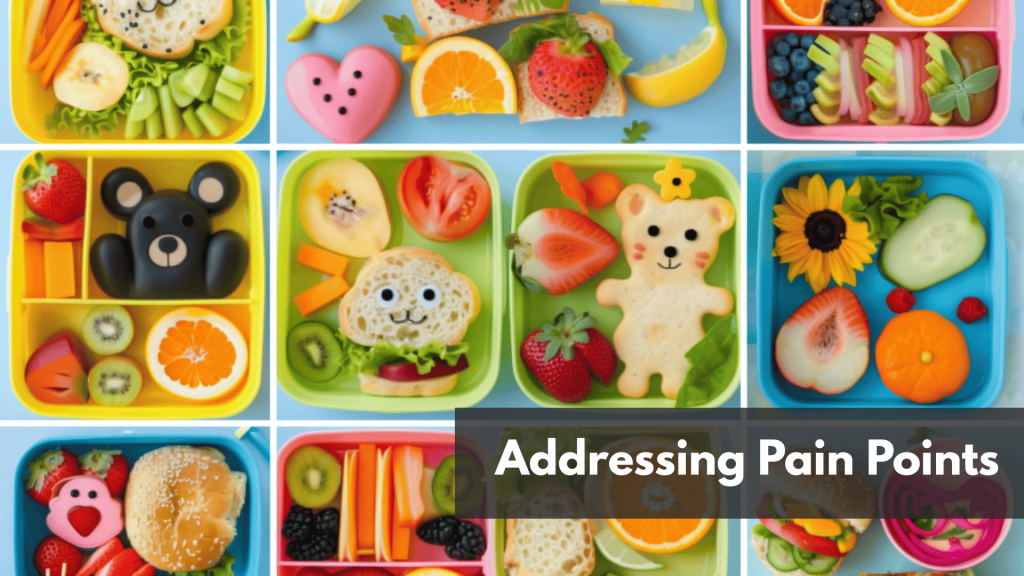
Capturing attention on Pinterest requires understanding your audience’s needs. The Problem-Solution Format achieves this by directly addressing specific pain points your target audience faces and positioning your content as the solution.
This method immediately establishes relevance and clarifies your board’s value proposition, drawing in users actively seeking answers to their challenges.
Instead of a generic board like “Recipes,” a problem-solution approach might use “Healthy Meals for Picky Eaters,” instantly resonating with parents facing this common mealtime struggle.
Examples and Implementation
Consider these examples: “Small Space Storage Solutions” instead of “Organization,” “Quick Fixes for Busy Moms” instead of “Life Hacks,” or “Budget Decorating on $100” instead of “Interior Design.”
The problem-solution examples immediately speak to a specific need, making them more appealing to users searching for practical advice.
Actionable Tips for Problem-Solution Naming
- Research: Identify common pain points within your niche by exploring relevant forums, social media groups, and comment sections.
- Use Positive Solution Language: Frame your board names with a focus on the positive outcome (e.g., “Stress-Free Holiday Planning” instead of “Holiday Stress”).
- Specificity: Include specific constraints or challenges (e.g., “Budget Decorating on $100” adds a clear budget parameter).
- Validate: Monitor comments and engagement on your boards to confirm that you’re addressing relevant problems and providing effective solutions.
This strategy is particularly effective for attracting a highly engaged audience seeking practical advice and solutions.
Popularized by brands like The Container Store, Budget Bytes, and Apartment Therapy, the problem-solution approach demonstrates a deep understanding of audience needs and positions you as a helpful resource. It’s ideal for driving traffic to your website or blog by offering valuable solutions to common problems.
8. Lifestyle Aspiration Names
Pinterest is more than just a platform for recipes and DIY projects; it’s a visual dream board for many users.
The Lifestyle Aspiration Naming strategy taps into this by creating board names that reflect the desired lifestyles, aesthetics, or life stages users crave.
These names resonate with users’ aspirations, making your boards attractive destinations for inspiration and planning. This approach transforms Pinterest boards into curated visions of ideal living.
Examples and Implementation
Imagine boards titled “Coastal Grandmother Vibes” instead of simply “Beach Decor,” or “City Girl Apartment Style” rather than just “Apartments.”
Other examples include “Farmhouse Family Living” or “Boho Chic Lifestyle.” These aspirational names immediately evoke a specific feeling and aesthetic, drawing in users who identify with that vision.
Actionable Tips for Lifestyle Aspiration Naming
- Study Pinterest Lifestyle Trends: Stay updated on emerging lifestyle trends by exploring Pinterest’s trending topics and popular boards.
- Use Aesthetic Terminology: Incorporate words that describe desired aesthetics, such as “minimalist,” “rustic,” “modern,” or “vintage.”
- Include Life Stage References: Consider referencing specific life stages like “newlywed,” “first-time mom,” or “empty nester” to resonate with specific demographics.
- Maintain Visual Consistency: Ensure the visuals on your board align with the aspirational lifestyle conveyed in the name.
This strategy is particularly effective for lifestyle bloggers, influencers, and brands targeting specific demographics or aesthetics.
Popularized by brands like Goop, The Everygirl, and Cup of Jo, this naming convention attracts users seeking inspiration and guidance on achieving their desired lifestyles.
Leveraging lifestyle aspirations in your Pinterest board names can transform your boards into valuable resources for users seeking to curate their ideal lives, ultimately boosting your reach and engagement.
By tapping into these aspirations, you position your boards as guides to achieving those dreams.
9. Numbered List and Collection Names
Using numbers and collection-based terminology in your Pinterest board names creates an immediate sense of curated content.
This Numbered List and Collection Names strategy sets clear expectations for users, suggesting a comprehensive resource with a specific quantity of ideas or items.
This approach resonates with users seeking organized content and provides a sense of completeness. Instead of a generic “Recipes” board, consider “25 Easy Dinner Recipes” to instantly attract users looking for quick meal solutions.
Examples and Implementation
Board names like “50 Small Bathroom Ideas,” “100 Date Night Ideas,” or “12 Months of Outfit Inspiration” instantly communicate the board’s scope and content.
These examples demonstrate how numbers create a concrete expectation, drawing users in with the promise of a curated collection. This strategy excels in niches like home decor, fashion, food, and travel.
Actionable Tips for Numbered Lists
- Round Numbers: Use round numbers (e.g., 25, 50, 100) for broader appeal and easier memorability.
- Deliver on the Promise: Ensure you can provide the promised quantity of content to maintain credibility and user satisfaction.
- Regular Updates: Keep collections fresh and relevant by adding new content regularly.
- Seasonal/Time-Based Numbering: Consider aligning numbers with seasons or timeframes (e.g., “30 Fall Fashion Trends”).
This strategy is particularly effective for attracting users seeking curated collections and comprehensive resources.
Popularized by brands like BuzzFeed, Real Simple, and Good Housekeeping, numbered list naming demonstrates a clear understanding of user search intent and positions your boards as go-to resources for specific quantities of ideas within your niche.
Leveraging this strategy can significantly enhance click-through rates and drive traffic to your content.
10. Question-Based Curiosity Names

Piquing your audience’s interest is key to attracting followers on Pinterest. The Question-Based Curiosity Naming strategy achieves this by posing questions directly in your board names.
This method taps into the natural human inclination to seek answers, drawing users in and encouraging them to explore your pinned content for solutions. Instead of simply stating a topic, framing it as a question creates an interactive experience, inviting users to engage with your boards.
This strategy is highly effective for driving traffic and fostering a sense of community.
Examples and Implementation
Consider these examples: “What to Wear When Nothing Fits?” instead of “Fashion Tips,” “How to Decorate on a Zero Budget?” instead of “Budget Decor,” or “Which Hairstyle Suits Your Face?” instead of “Hairstyles.”
These question-based names immediately engage the user, promising valuable insights within the board.
Actionable Tips for Question-Based Naming
- Address common audience questions: Think about the challenges and questions your target audience frequently faces.
- Use FAQ research for inspiration: Explore frequently asked questions within your niche to generate compelling board name ideas.
- Ensure content answers the question: The content within your board must directly address the question posed in the title.
- Keep questions concise and clear: Aim for clear, concise questions that are easily understood at a glance.
This strategy is especially useful for lifestyle, fashion, beauty, and DIY niches where users often seek solutions to specific problems.
Popularized by brands like Refinery29, Who What Wear, and Allrecipes, question-based naming demonstrates an understanding of audience needs and positions you as a helpful resource.
It’s a powerful way to leverage curiosity and boost engagement on your Pinterest boards.
Pinterest Board Name Ideas Comparison Table
| Naming Strategy | Implementation Complexity 🔄 | Resource Requirements ⚡ | Expected Outcomes 📊 | Ideal Use Cases 💡 | Key Advantages ⭐ |
|---|---|---|---|---|---|
| Niche-Specific Naming Strategy | Medium – requires deep niche knowledge | Moderate – keyword research needed | High targeted engagement and SEO visibility | Brands targeting specific industries or niches | Clear niche identity, SEO friendly, quality followers |
| Keyword-Rich Descriptive Names | Low – straightforward keyword integration | Low – keyword tools and analysis | Improved search rankings and organic reach | Broad content discoverability on Pinterest | High SEO impact, clear content expectations |
| Emotional Trigger Naming | Medium – creative and psychological insight | Moderate – audience understanding | Strong emotional engagement and memorable names | Brands focusing on emotional connection | Increased saves, stronger brand connection |
| Action-Oriented Command Names | Medium – requires consistent actionable content | Moderate – verb use and content alignment | Higher engagement and conversion potential | Content encouraging immediate user action | Drives action, creates urgency, higher conversions |
| Seasonal and Trending Names | High – constant updating and trend monitoring | High – trend research and updates | Surge in engagement during peak periods | Brands capitalizing on trends and seasonal content | Fresh appeal, viral potential |
| Personal Brand Integration | Medium – balancing brand and keywords | Moderate – brand presence needed | Builds brand authority and loyalty | Established brands wanting cohesive experience | Builds recognition, brand consistency |
| Problem-Solution Format | Medium – deep audience problem analysis | Moderate – audience research and content alignment | Strong relevance and click motivation | Content solving audience pain points | Clear value communication, problem-solver image |
| Lifestyle Aspiration Names | Medium – consistent aesthetic curation | Moderate – trend and aesthetic research | Long-term engagement and emotional connection | Lifestyle and aspirational branding | Strong emotional ties, long-term engagement |
| Numbered List and Collection Names | Low – structured naming with numbers | Low – content planning essential | Clear expectations and perceived value | Organized content with quantifiable ideas | Clear scope, organized, higher perceived value |
| Question-Based Curiosity Names | Medium – requires consistent answer content | Moderate – FAQ research and content creation | High curiosity-driven clicks and engagement | Interactive and problem-solving content | High engagement, interactive feel |
Pin Your Success: Putting it All Together with Post Paddle
Crafting compelling Pinterest board names is the cornerstone of a successful Pinterest strategy.
From niche-specific approaches to leveraging emotional triggers, we’ve explored ten key tactics to help you create board names that resonate with your target audience and boost your visibility.
Remember, a well-chosen board name not only organizes your content but also acts as a powerful SEO tool, attracting the right users to your pins.
Key Takeaways for Pinterest Board Name Ideas
Let’s recap the essential elements for creating winning Pinterest board names:
- Clarity is King: Ensure your board names accurately reflect the content within, avoiding ambiguity and misleading users. Keyword-rich descriptive names are crucial for searchability.
- Target Your Audience: Understand your ideal user’s interests and aspirations. Tailor your board names to their specific needs, whether it’s problem-solving, lifestyle inspiration, or seasonal trends.
- Emotional Connection: Infuse your board names with emotion and personality. Action-oriented command names and question-based curiosity names can pique interest and encourage engagement.
- Brand Integration: Seamlessly weave your personal brand into your board names. This reinforces brand recognition and builds a cohesive online presence.
Optimizing Your Pinterest Strategy
Beyond the naming conventions, think about the bigger picture. Effective Pinterest marketing involves consistent posting, high-quality visuals, and strategic scheduling.
This is where a tool like Post Paddle comes into play.
Streamlining Your Pinterest Workflow with Post Paddle
Imagine having a platform that not only helps you schedule your pins but also suggests optimized titles and descriptions based on the best practices discussed above.
Post Paddle does just that. It empowers you to implement these strategies effortlessly, ensuring your boards and pins reach their full potential.
From Board Names to Board Success
By mastering these Pinterest board naming strategies and leveraging the power of a scheduling tool, you’ll be well-equipped to drive traffic, increase brand awareness, and achieve your Pinterest marketing goals.
Remember, each board name is a stepping stone towards building a thriving Pinterest presence.
Ready to transform your Pinterest boards from simple collections to powerful marketing tools?
Start optimizing your board names today, and take your Pinterest strategy to the next level.
Get multiple creative board name suggestions generated by advanced AI trained specifically for Pinterest marketing success.
FAQs
What makes a great Pinterest board name?
Choose a clear, keyword-led name that tells users exactly what they’ll find. Keep it short, scannable, and on-brand. Add a helpful modifier (style, audience, or intent) when it improves clarity.
Should I prioritize keywords or creativity?
Lead with a descriptive keyword (e.g., “Minimalist Living Room Ideas”), then add personality if it still reads naturally. Clarity helps you rank; creativity helps you stand out.
How long should a Pinterest board name be?
Aim for 20–40 characters. That’s usually enough to include your main keyword plus a concise modifier without getting truncated or hard to scan.
Can I rename boards later without hurting performance?
Yes. Renaming to a clearer, keyword-relevant title can improve discovery. Update the board description, keep pinning consistently, and avoid frequent name changes afterward.
What are examples of strong board name formats?
Try “[Topic] Ideas,” “[Style] [Topic],” “[Audience] [Topic],” or “[Intent] [Topic],” such as “Cozy Fall Recipes,” “Scandinavian Bedroom,” “Beginner Woodworking Projects,” or “Budget Europe Itineraries.”